


Also available in e-book format:

Snapplify Reader
Field Guide to Wild Flowers of South Africa
TAKE A CLOSER LOOK
| Author: | John Manning |
|---|
R610.00
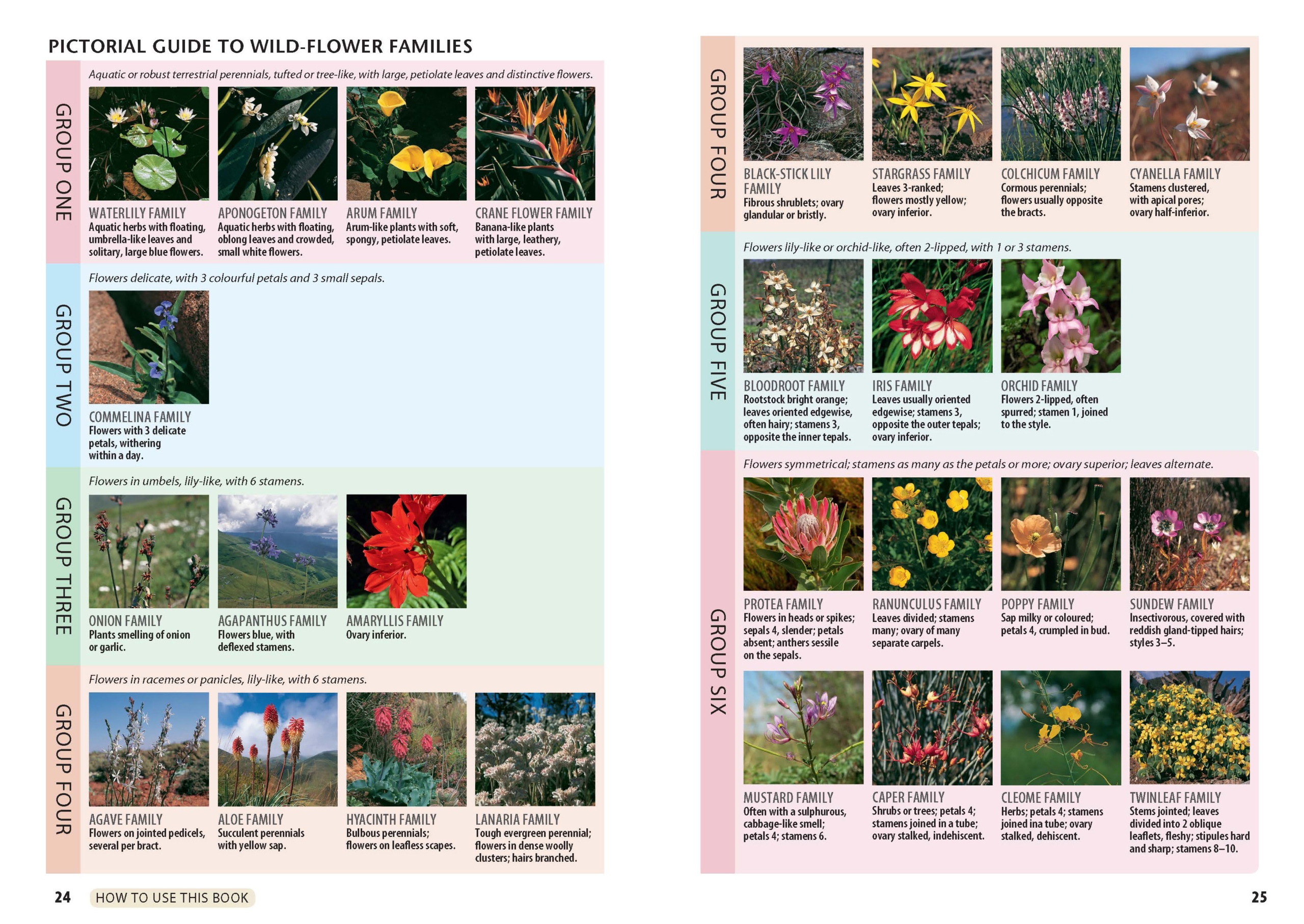
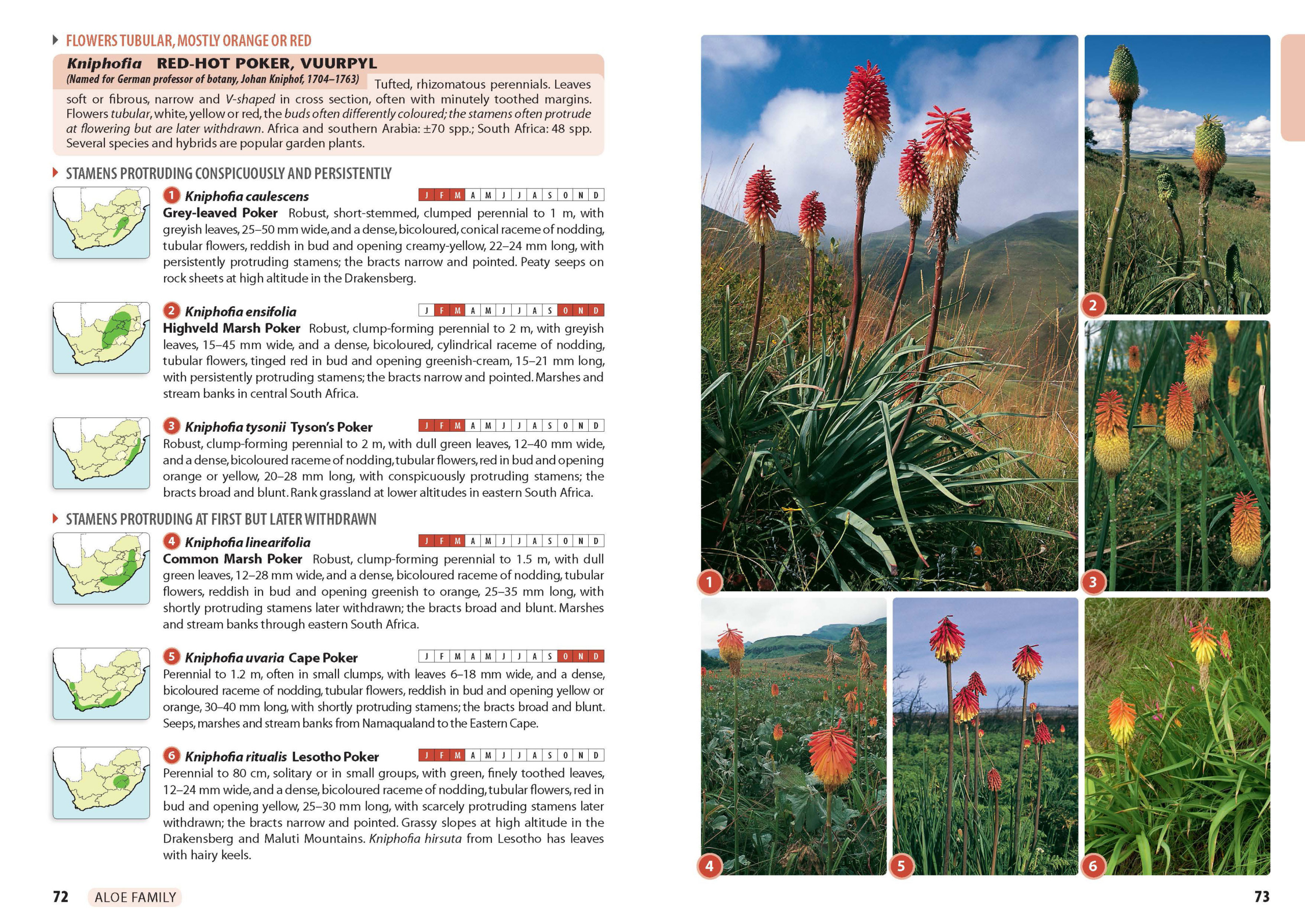
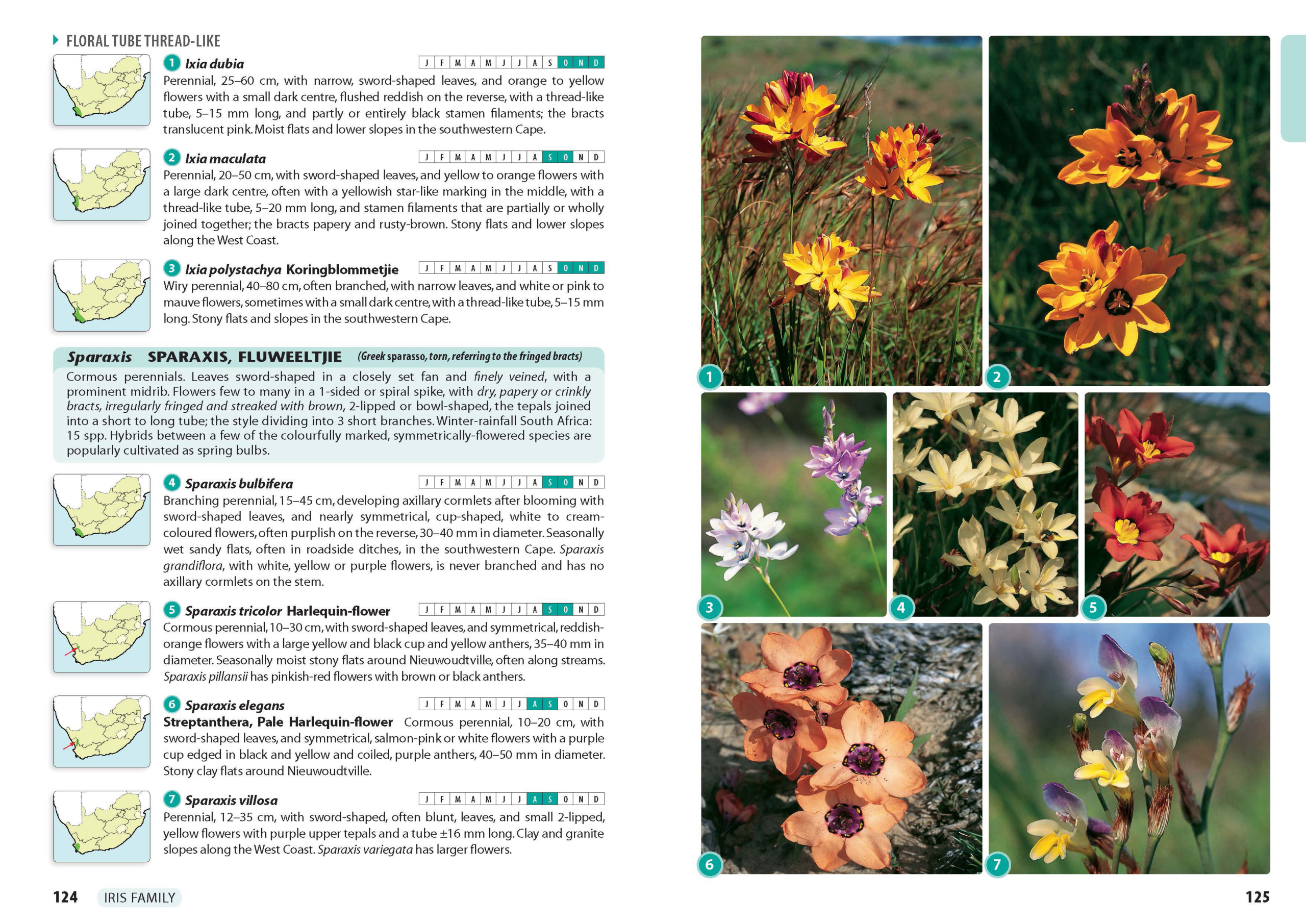
This fully updated edition of Field Guide to Wild Flowers of South Africa covers more than 1,100 species of flora, focusing on the most common, conspicuous and ‘showy’ plants around the region. An informative introduction discusses plant diversity, vegetation types, and includes a key to identifying plant groups. Species descriptions follow and each is accompanied by:
- a vivid photograph
- a distribution map showing range, and
- an indication of the plant’s flowering season.
An invaluable, up-to-date guide provides the tools and information needed to identify flowering plants across South Africa.
In stock
Customer Reviews
There are no reviews yet.
Related products
-

Guide to Reptiles of Southern Africa
R610.00Southern Africa is home to a remarkably diverse and rich reptile fauna. A Guide to the Reptiles of Southern Africa present the 517 species currently described in the region, in three main groups – snakes and lizards; crocodiles; and shelled reptiles. Based on the latest scientific research, the introduction covers reptile identification, diversity, biology, distribution patterns, and where to find and observe them, as well as unravelling the facts and fallacies of snakebite.
Written in a lively and accessible way, the subsequent chapters offer insight into: identification to group level, with an inclusive list of related species; a detailed description of appearance, together with colourful images; biology and behaviour of each group; conservation status of species; reproduction details; and distribution. Informative panels provide key information at a glance, with distribution maps and clear icons giving typical habitat and period of activity.
A wealth of full-colour photographs throughout brings the subject matter vividly to life. This book will appeal to all wildlife enthusiasts, both professional and amateur.
Visit Johan Marais’ website at https://www.africansnakebiteinstitute.com
Click here to download a free poster about the dangerous snakes in South Africa from Johan Marais’ website https://www.africansnakebiteinstitute.com/posters
-

Field Guide to the Amaryllis Family of Southern Africa and Surrounding Territories
R500.00The Amaryllidaceae family is distributed in warm temperate and tropical parts of the world. With 18 genera and 265 taxa occurring in the region, southern Africa is recognised as a major centre of diversity for this intriguing family. This compelling guide features all the species found in the region, conveniently grouped according to the biome of their natural habitat, and includes a useful key to genera and species.
Species accounts feature:
– Comprehensive text suitable for laypersons and scientists
– Information on distribution, similar taxons, life cycle and flowering period
– Notes on cultivation, history, medicinal properties and conservation
– Distribution maps
– Colour photographs and watercolour platesAn invaluable addition to the library of any plant or nature lover.
-

Guide to Dragonflies & Damselflies of South Africa (NE)
R500.00In this fully revised edition of A Guide to Dragonflies & Damselflies of South Africa, all 164 species known to occur in South Africa, Lesotho and Swaziland are described and illustrated, grouped according to family (six dragonfly and six damselfly families). The species entries feature scans of live insects (close-up and side-view images) and photographs of specimens in their natural environment and showing key behaviours. Detailed descriptions focus on size, identifying features and occurrence. An introductory chapter unpacks the life cycle, behaviour, biology and breeding of this fascinating group of insects. Presented in a classic field guide format, this revised edition now also features:
Expanded annotations to all illustrations, highlighting diagnostic features to ensure accurate identification
New distribution maps
Additional colour plates and photographsBeautifully presented, informative and authoritative, this book will appeal to anyone with an interest in South Africa’s insect life, and to nature lovers in general.
-

‘n Volledige gids tot die slange van Suider-afrika
R580.00Hierdie langverwagte derde uitgawe van ‘n Volledige Gids tot die Slange van Suider-Afrika is ten volle opgedateer. Nuwe inligting gebasseer op wetenskaplike navorsing is ingesluit, en hou verband met gedrag, identifikasie, voortplanting en gif. Kenmerke van hierdie boek:
– Dek al die noodsaaklike aspekte van biologie en slang gedrag.
– Spesies se beskrywings word vergesel van volkleur fotos en verspreidingskaarte.
– Eenvoudige simbole maak belangrike inligting dadelik beskikbaar.
– ‘n Aparte ‘Kyk uit vir’ blokkie help om spesies in die veld gou te identifiseer.
– Hoofstukke oor klassifikasie en identifikasie, aanhou van slange, en die behandeling van slangbyte vul die inligting aan. -

100 Trees to See on Safari
R260.00East Africa is a premier wildlife destination, well known for its mass migrations of herds and fearsome predators. But as iconic are the trees that grow there: among them mangroves, cycads, palms, marulas, acacias, sausage trees, fever trees, toothbrush trees and giant bamboos. This book showcases 100 of the region’s most visible and significant trees, arranged by the habitats in which they occur. It features:
Concise descriptions of each tree and its parts, plus notes about the various uses of the tree parts
Multiple images showing the full tree and key ID features, including flowers, leaves, fruit and bark
Where to see the trees, including the national parks and nature reserves
A brief introduction to the trees of the region and their vegetation zonesColourful, interesting and geared for quick tree identification, this handy guide will enhance any safari experience in East Africa.
-

Stuarts’ Field Guide to the Larger Mammals of Africa
R610.00Of the more than 5,500 mammals species worldwide, at least 1,200 occur in Africa. Stuarts’ Field Guide to the Larger Mammals of Africa concentrates on the more visible and easily distinguished larger species, as well as some of the more frequently seen smaller mammals.This new edition has been extensively revised, expanded and redesigned and includes:- the most recent research and taxonomy
- revised distribution maps and many new images
- colour-coded grouping of orders
- size icons
- detailed descriptions of each species, offering insight into key identification characters, typical behaviour, preferred habitat, food choice, reproduction and longevity
- whales and dolphins now featured too
-

Field Guide to Butterflies of Southern Africa
R580.00Fully revised, the new edition of Field Guide to Butterflies of South Africa features all of South Africa’s 671 butterfly species. This lavishly illustrated popular guide includes newly described species and subspecies, and the most recent taxonomic changes based on DNA studies.
As in the first edition, the photography is exceptional and 70% of the images in the book are new. Images show male and female forms (where they differ) and upper- and undersides (where possible).
The species accounts have been comprehensively updated and expanded, covering identification, habits, flight periods, broods, typical habitat, distribution and larval food sources. A helpful introductory section with over 100 images, including 55 early stages images, discusses butterfly biology, taxonomy, classification, anatomy and behaviour.
-

Field Guide to Scorpions of South Africa
R480.00An authoritative antidote to the myths surrounding these often maligned and misunderstood creatures.
Among the world’s most fascinating living fossils, scorpions have been around for some 420 million years. South Africa is home to an astonishing variety, with 108 species in three families occurring in most of the region’s biomes, from desert and grassland to fynbos, savanna and forest. Scorpions are even found in urban gardens.
Field Guide to Scorpions of South Africa is the first comprehensive guide to describe and illustrate all known species in the country. The clear, detailed species accounts cover appearance, habitat and behaviour, and discuss the variation within species according to region. Up-to-date distribution maps are included for all species and exceptional photographs, carefully worked to show astounding detail and vivid colours, bring to life the intricate patterning and colours of different species. Both males and females are presented, as well as a variety of colour forms, facilitating accurate identification in the field.
The introduction discusses scorpion classification, anatomy, biology, behaviour and habitat, as well as venomosity and the treatment of stings. Tips on how and where to find scorpions and how to contribute to their conservation as a citizen scientist are also included.
An invaluable tool for students, researchers, academics, hikers and anyone with an interest in South Africa’s rich and fascinating fauna.
Be the first to review “Field Guide to Wild Flowers of South Africa”
You must be logged in to post a review.