


Big Five of Africa
TAKE A CLOSER LOOK
| Author: | Gerald Hinde |
|---|
R420.00 R294.00
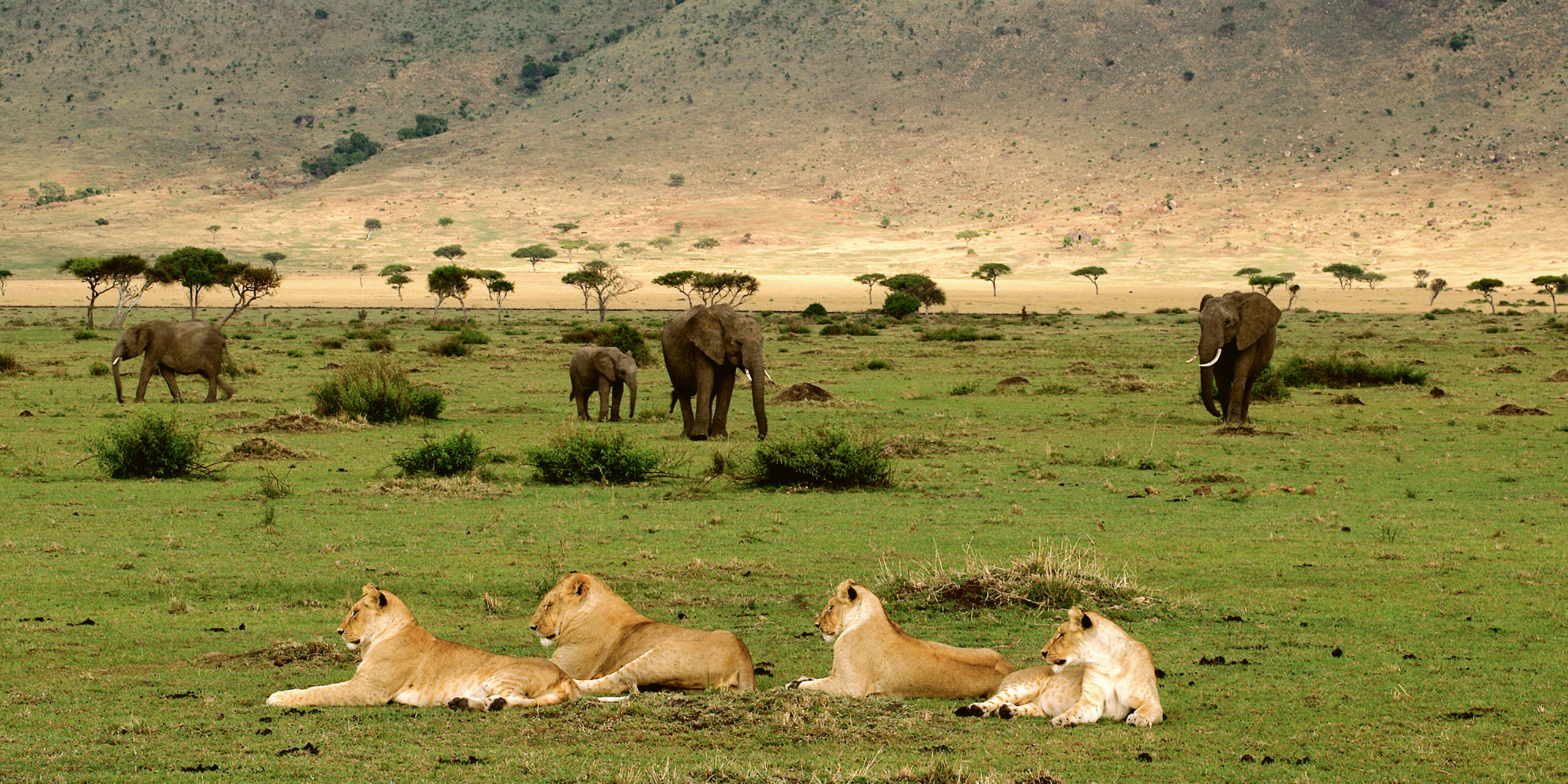
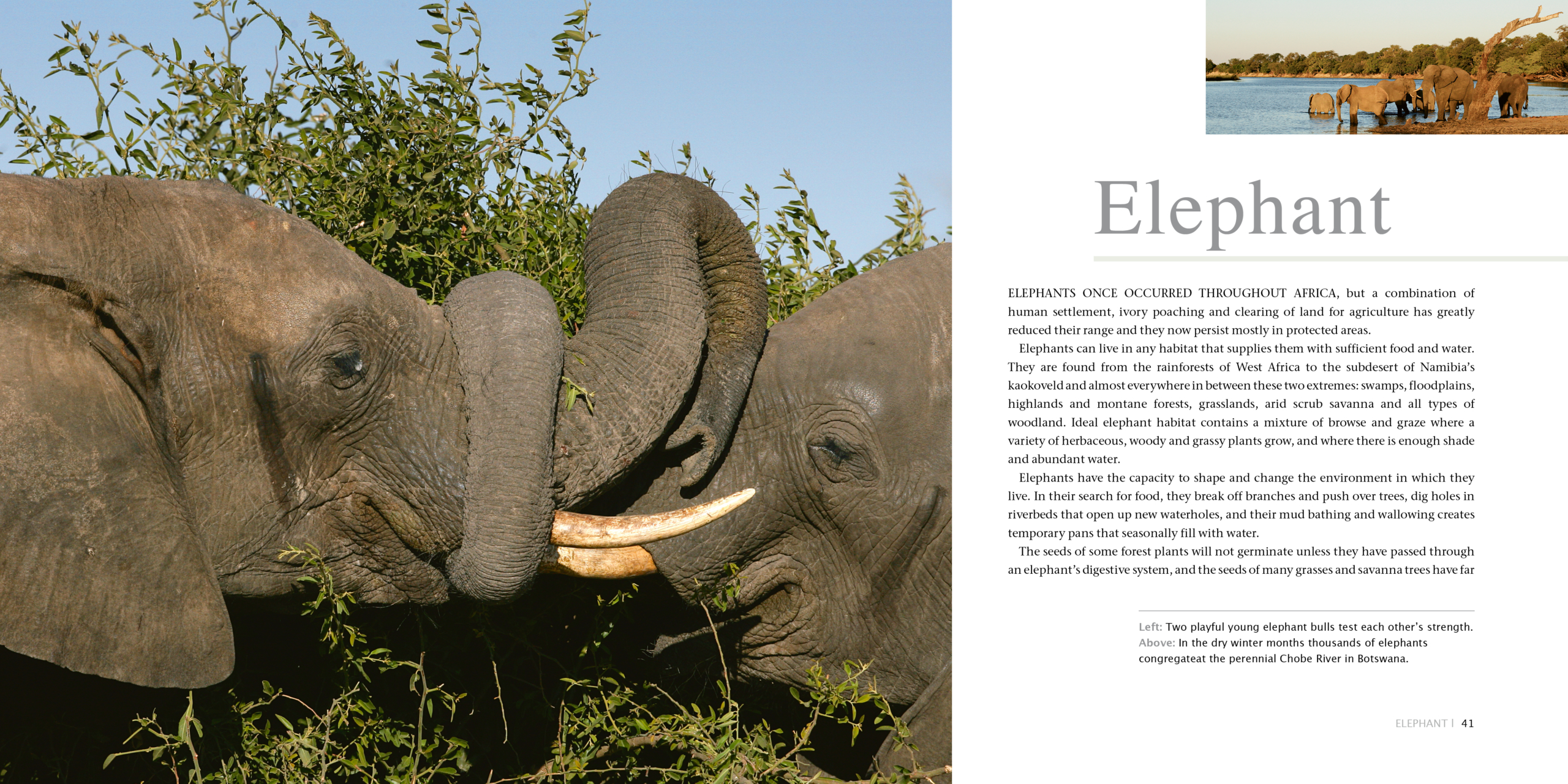
Think of an African safari and the ‘Big Five’ – lion, leopard, rhino, buffalo and elephant – immediately come to mind. Award-winning wildlife photographer Gerald Hinde has long been enthralled by these magnificent animals and has spent countless hours in the field, experiencing them in different moods and behaviours. Big Five of Africa beautifully reproduces some of the more remarkable moments he has captured on film during his visits to the wildlife sanctuaries of southern and East Africa. Brief but informative text introduces each animal in turn, providing interesting insights into the nature of these formidable, yet compelling, creatures.
In stock
Customer Reviews
There are no reviews yet.
Related products
-

Scatalog
R100.00Here’s a quick and quirky identification guide to animal dung or droppings. Each animal group (carnivores, primates, antelope, rats and mice, reptiles, birds) is briefly introduced; but the main focus of this book is the photographs, mostly life-size. These images enable immediate identification of the animals responsible for the droppings. To confirm identity, summary tables give details of average width, length and typical contents of droppings (feathers, twigs, leaves, sand, etc.).
This should become a recommended reference for rangers and field guides in the region; and it will be of use to anyone with an interest in wildlife, and even to those who simply enjoy walking in the wild and observing the tracks and signs they encounter.
-

Field Guide to Tracks & Signs – East Africa NE
Originally published in 1994, A Field Guide to Tracks and Signs of Southern and East African Wildlife quickly became the standard reference to the subject in the region, reprinting many times. This new edition provides the most detailed coverage of tracks, droppings, bird pellets, nests and shelters and feeding signs, not only for mammals, but also for birds, reptiles, insects and other invertebrates. Greatly expanded, this extensive update now features: full colour throughout.
R590.00R413.00 -

101 Kruger Tales
This is a collection of 101 jaw-dropping stories, as told by the very people who experienced them – first-hand accounts of sightings, scrapes and encounters in one of Africa’s greatest National Parks. It details hair-raising experiences from the Kruger Park’s roads, camps, picnic sites and walking trails, such as:
• An enraged elephant flips a car onto its roof
• A lioness prises open a terrified couple’s car door
• A fleeing impala leaps through an open car window
• A hyaena snatches a baby from a tent
• A tourist takes a bath in a croc-infested dam…A bedside book, a travel companion, a dip-into, read-anywhere compilation of joyful encounters laced with terrible warnings. Wherever you are, this book will transport you directly into the bush.
CLICK HERE to visit the official 101 Kruger Tales website
R420.00R294.00 -

Cuddle Me, Kill Me
R230.00Canned lion hunting sprang to the world’s attention with the 2015 launch of the documentary, Blood Lions. This movie blew the cover off a brutal industry that has burgeoned in the last decade or so, operating largely under the radar of public concern.In Cuddle Me Kill Me, veteran wildlife campaigner Richard Peirce reveals horrifying facts about the industry. He tells- The true story of two male lions rescued from breeding farms
- The exploitation and misery of these apex predators when they are bred in captivity
- How young cubs are removed from their mothers mere hours after birth
- How they are first used for petting by an adoring (and paying) public
- Their subsequent use for ‘walking with lions’ tourism
- And how, in the final stage of exploitation, they are served up in fenced enclosure for execution by canned hunters – or simply shot by breeders for the value of their carcass, a prized product in the East.
Well researched by Peirce with the help of an undercover agent, and illustrated with photos taken along the way, this is a disturbing and passionate plea to end commercial captive lion breeding and the re-purposing of wildlife to cater for human greed. -

Scorpions of Southern Africa (NE)
Scorpions of Southern Africa, the go-to guide for identifying southern Africa’s rich scorpion fauna, has now been freshly designed, updated and expanded. It includes 12 additional species, new images and distribution maps, and a chapter on how to go about identifying scorpions.
An invaluable guide for the amateur naturalist and professional alike, this accessible book describes:
- scorpion anatomy and behaviour,
- the strategies that enable scorpions to survive harsh conditions,
- their use of venom, and
- other aspects of their successful existence over millions of years.
R320.00R224.00 -

Skullduggery – Quick ID Guide
R100.00In this short but informative guide, trusted authors Chris and Mathilde Stuart turn mammal ID on its head – literally. The identification of mammal skulls is the subject of this latest addition to the quirky ‘Quick Guide’ series, and covers the most common skulls readers are likely to encounter in the wild – from easily recognisable species such as elephant, hippo, rhino, baboons, antelope, whales and dolphins, to the more challenging family groups: dogs, cats, hyaenas, equids, pigs, civets and genets, mongooses, rats and mice, bats, sengis, shrews, moles, hares and rabbits, hyrax, and squirrels.
Each entry features:
Close-up photographs showing the entire skull, teeth and, where available, upper and lower jaws
Pointers to diagnostic features
Average measurement for skull length
Short description highlighting main features of each skull and tooth structure
Dental formula for teeth in upper and lower jaws
A brief introduction, with labelled photographs, covers anatomy as well as dentition; and a quick-reference photographic key to the main animal groups appears on the inside front cover.An ideal companion to mammal field guides, this book will be appeal to rangers, safari guides and all nature lovers wanting to deepen their understanding of life in the bush.
-

Pocket Guide Snakes & Other Reptiles of Zambia & Malawi
R280.00Zambia and Malawi are home to 240 reptile species, of which 114 are snakes, 108 lizards, 14 terrapins and tortoises, and 2 crocodiles. Of these, 15 species occur nowhere else on Earth.
The first accessible pocket guide to the reptiles of these two tropical countries describes 186 of the most commonly encountered and colourful species, as well as those that are less conspicuous, rare and endemic to the region. A brief, informative introduction details the region’s reptile diversity and habitat types and outlines different venom types and snakebite treatments.
Handy and compact, this up-to-date guide makes a trusted travelling companion on trips to the wildlife areas, parks and reserves of these two spectacular countries.
– Succinct species descriptions cover key identification features.
– Clear full-colour photographs accompany species descriptions.
– Up-to-date distribution maps show the range of each species.
– Symbols for snake species denote the level of danger each snake’s venom poses for humans, from harmless to life-threatening. -

Avian Architects Quick ID Guide
R100.00Another title in the ‘Quick Guide’ series, this compact little book is a handy identification guide to the surprising variety of nests built by southern African birds. Covering multiple species, it is arranged according to nest type – ground, woven, stick, cup, mud-pellet and domed, as well as nests in tree holes, on water, on cliffs and in scrapes on the ground. It is packed with photographs and illustrations showing the ingenuity of the designs, the birds that built them, and the eggs that are laid in them. In pithy fashion, the text – matched to the photographs – describes:
nesting site and nest structure
building materials used to construct outer and inner layers
nesting habits of the architects
clutch sizeA simple key to nest types on the inside front cover directs readers to the relevant section in the book.
Be the first to review “Big Five of Africa”
You must be logged in to post a review.