


Big Five of Africa
TAKE A CLOSER LOOK
| Author: | Gerald Hinde |
|---|
R420.00 R294.00
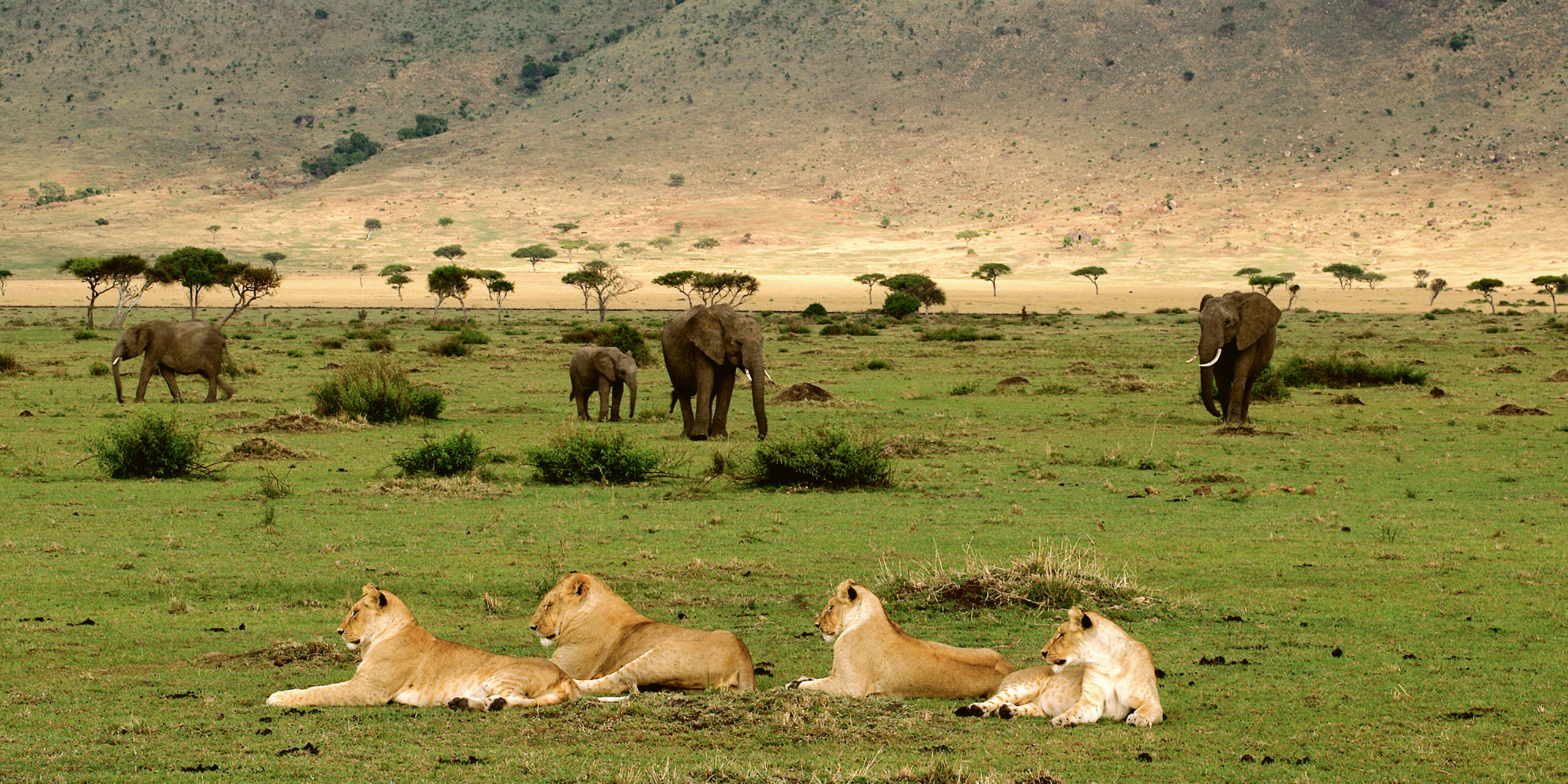
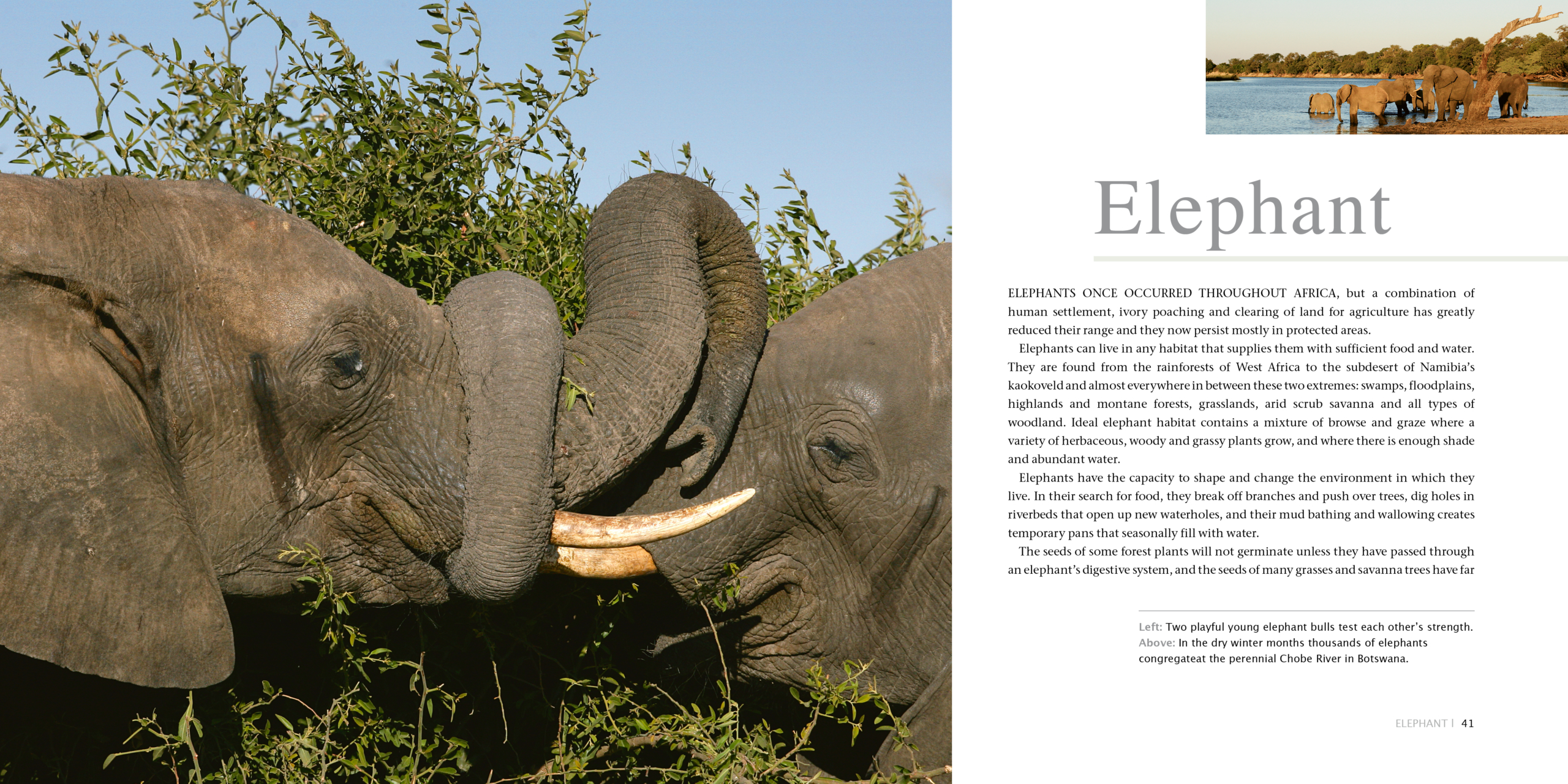
Think of an African safari and the ‘Big Five’ – lion, leopard, rhino, buffalo and elephant – immediately come to mind. Award-winning wildlife photographer Gerald Hinde has long been enthralled by these magnificent animals and has spent countless hours in the field, experiencing them in different moods and behaviours. Big Five of Africa beautifully reproduces some of the more remarkable moments he has captured on film during his visits to the wildlife sanctuaries of southern and East Africa. Brief but informative text introduces each animal in turn, providing interesting insights into the nature of these formidable, yet compelling, creatures.
In stock
Customer Reviews
There are no reviews yet.
Related products
-

Shaping Addo: The Story of a Southern African National Park
More than a century ago elephants in the eastern Cape were systematically hunted – until only 16 were left . Today there are 650 elephants in the Addo Elephant National Park, the densest concentration of wild elephants anywhere on the planet. While elephants are undoubtedly still the park’s top drawcard, the past four decades have seen the emphasis shift from protecting a single species to conserving five biomes and the wild animals that occupy them. Today, Addo can boast the Big Seven: elephant, lion, leopard, buffalo, rhino, as well as great white shark and southern right whale.
Like Shaping Kruger, its successful predecessor, Shaping Addo expertly delves into the history of the park, detailing the positive impact that changing conservation practices have had on its development. Drawing on decades of groundbreaking research, the author provides fascinating insight into the lives and habits of the animals (both terrestrial and marine), examining individual species, the relationship between them, and the carefully crafted management strategies required to ensure the survival of all species.
Shaping Addo is an engrossing account of how a seemingly insigni cant sanctuary was transformed into an astonishingly successful mega-park, and the most ecologically diverse protected space in South Africa.
R440.00R308.00 -

Nature Now Mammals of Kruger
R290.00This easy-to-read, fact-filled guide features over 80 mammal species found in the Kruger National Park, one of Africa’s most popular game-viewing destinations.
Packed with stunning photographs and engaging text, it provides brief pointers for accurate identification and highlights the most interesting facts about each species. Did you know that leopards are more dangerous than lions, elephants use their trunks to snorkel, giraffes give birth standing up, and no two zebras have the same stripe pattern?Aimed at nature enthusiasts of all ages, this compact guide:
– Covers the Park’s rich diversity of mammals – from the world-famous Big Five to the miniature mongooses seen dashing across the road
– Unpacks each animal’s most interesting characteristics and behaviours
– Notes the record-breakers: who has the longest horns, strongest jaws or greatest appetite?
– Provides game-watching tips for successful safaris, as well as ‘Best viewing’ notes for each species
– Features striking photographs of Kruger’s wildlife in action -

The Living Deserts of Southern Africa
R600.00For generations, the deserts of southern Africa have intrigued scientists and travellers alike. Seemingly barren wastes, they in fact teem with life – from ants to elephants, stone plants to the curious welwitschia, dainty dik-diks to towering gemsbok, and cart-wheeling spiders to fog-basking beetles. How do they cope with scarce resources, unpredictable rainfall and extreme temperatures? How do they protect themselves against predators? And what is the impact of climate change on these life forms and their habitats?
Drawing on an earlier edition, published in 1993, biologist Barry Lovegrove answers these questions and unravels many of the mysteries associated with life in the desert. He describes the four arid biomes of South Africa, Namibia and Botswana –
Desert, Arid Savanna, Succulent Karoo and Nama-Karoo – and explains how and why such a great diversity of plants, insects, mammals, reptiles and birds successfully exist in these regions. The text is supported by the most recent research, spectacular photographs, and explanatory diagrams and maps.The Living Deserts of Southern Africa is a compelling, in-depth read that is accessible to both the serious student and academic as well as the interested nature lover.
-

The Reef Guide: East & South Coasts of Southern Africa
R500.00The Reef Guide: East & South Coasts of Southern Africa documents some 800 reef fishes and invertebrates found along the east and south coasts of southern Africa. Following on the success of Dennis King’s earlier two titles, this impressive new guide features 578 species of fish and includes sections on anemones, starfish, snails, crabs and shrimps. Full colour photographs and descriptive text for each species, along with useful and interesting information, make for easy identification. While focusing on southern Africa, the book is also applicable to the entire east coast of Africa, as well as the islands of the western Indian Ocean – Seychelles, Mauritius, Reunion, Madagascar, the Comoros and the Maldives.
Indispensable for divers, snorkelers and rock-pool enthusiasts, as well as fishermen and marine aquarists.
-

Skullduggery – Quick ID Guide
R100.00In this short but informative guide, trusted authors Chris and Mathilde Stuart turn mammal ID on its head – literally. The identification of mammal skulls is the subject of this latest addition to the quirky ‘Quick Guide’ series, and covers the most common skulls readers are likely to encounter in the wild – from easily recognisable species such as elephant, hippo, rhino, baboons, antelope, whales and dolphins, to the more challenging family groups: dogs, cats, hyaenas, equids, pigs, civets and genets, mongooses, rats and mice, bats, sengis, shrews, moles, hares and rabbits, hyrax, and squirrels.
Each entry features:
Close-up photographs showing the entire skull, teeth and, where available, upper and lower jaws
Pointers to diagnostic features
Average measurement for skull length
Short description highlighting main features of each skull and tooth structure
Dental formula for teeth in upper and lower jaws
A brief introduction, with labelled photographs, covers anatomy as well as dentition; and a quick-reference photographic key to the main animal groups appears on the inside front cover.An ideal companion to mammal field guides, this book will be appeal to rangers, safari guides and all nature lovers wanting to deepen their understanding of life in the bush.
-

Guide to Dragonflies & Damselflies of South Africa (NE)
In this fully revised edition of A Guide to Dragonflies & Damselflies of South Africa, all 164 species known to occur in South Africa, Lesotho and Swaziland are described and illustrated, grouped according to family (six dragonfly and six damselfly families). The species entries feature scans of live insects (close-up and side-view images) and photographs of specimens in their natural environment and showing key behaviours. Detailed descriptions focus on size, identifying features and occurrence. An introductory chapter unpacks the life cycle, behaviour, biology and breeding of this fascinating group of insects. Presented in a classic field guide format, this revised edition now also features:
Expanded annotations to all illustrations, highlighting diagnostic features to ensure accurate identification
New distribution maps
Additional colour plates and photographsBeautifully presented, informative and authoritative, this book will appeal to anyone with an interest in South Africa’s insect life, and to nature lovers in general.
R500.00R350.00 -

On Track – Quick ID Guide to Southern and East African Animal Tracks
Following the success of the earlier Scatalog: Quick ID guide to southern African animal droppings, here’s another quick and quirky identification guide, this time to tracks of the region’s most commonly found mammals, but also includes tracks of reptiles, rodents, birds and insects.
A simple key on the inside front cover directs users to any of 11 categories, such as ‘cloven hooves’, ‘paws’ or ‘tramline-like trails’. Nearly 100 animals or closely related groups of animals are depicted; for each, there is a silhouette of front and back feet and a colour photograph of the track; the average measurements for each track; a short description of the track; and information about the circumstances and likely habitat.
Concise and to-the-point, this pocket-sized reference will prove indispensable in the field, no matter the experience of the user.
R100.00R70.00 -

Kruger National Park: Q & A
R370.00Kruger National Park – Questions & Answers is a compilation of the questions most frequently asked by visitors to the Park, and their answers, given by a seasoned game park official. This new edition has been expanded, and reflects management decisions and changes that have occurred since the last edition appeared in 1992. It is packed with information on topics ranging from animals and their behaviour, ecology and poaching, to accommodation, activities, history of place names, safety, and code of conduct.
The text is easy-to-read, combining leisure and education, making it a highly entertaining companion in the vehicle. Species sections are enlivened by simple illustrations, and two maps illustrate the ecozones and layout of the Park. This book is ideal for both guides and visitors to the Kruger National Park.
Be the first to review “Big Five of Africa”
You must be logged in to post a review.