


Also available in e-book format:

Snapplify Reader
Field Guide to Wild Flowers of South Africa
TAKE A CLOSER LOOK
| Author: | John Manning |
|---|
R610.00
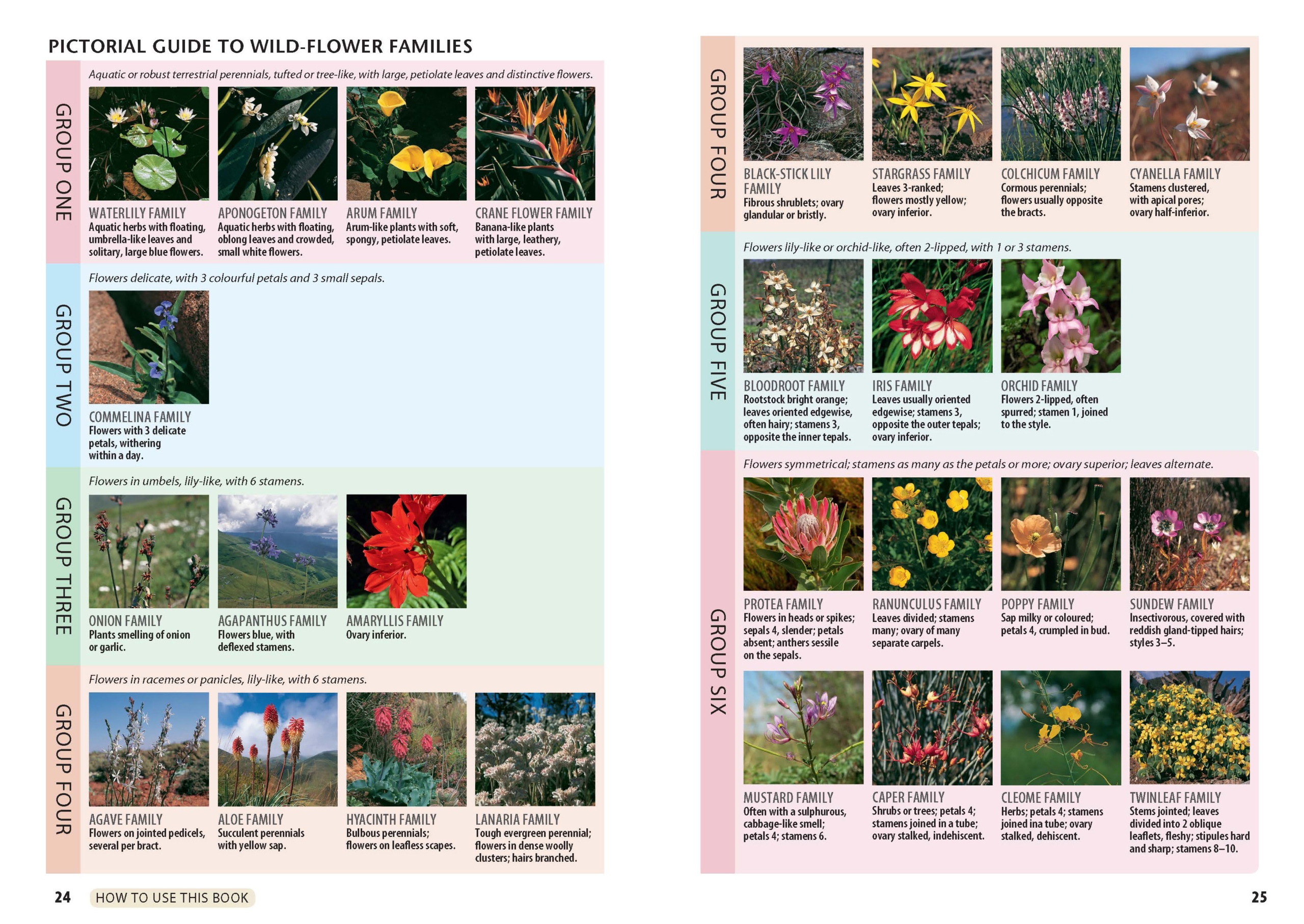
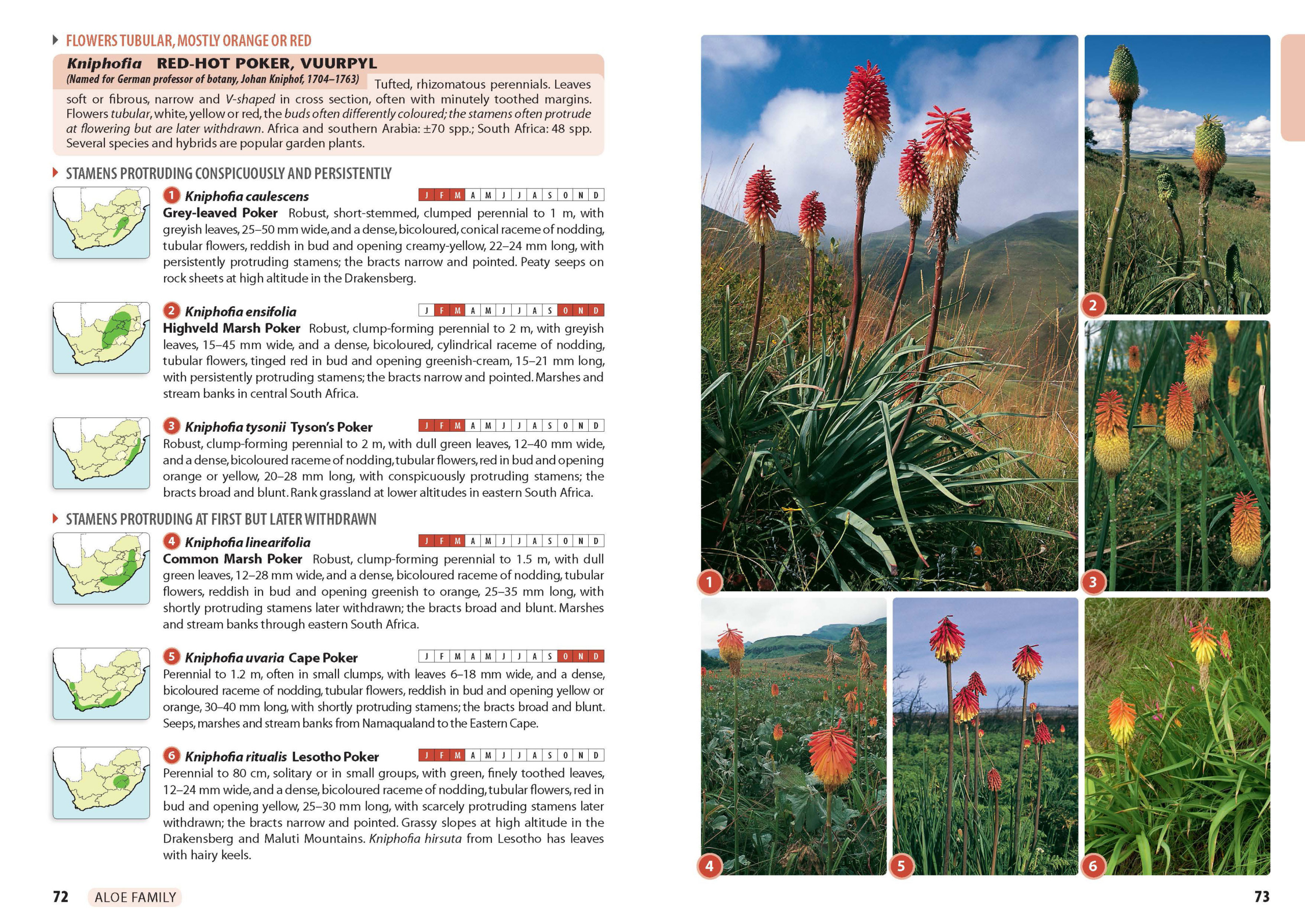
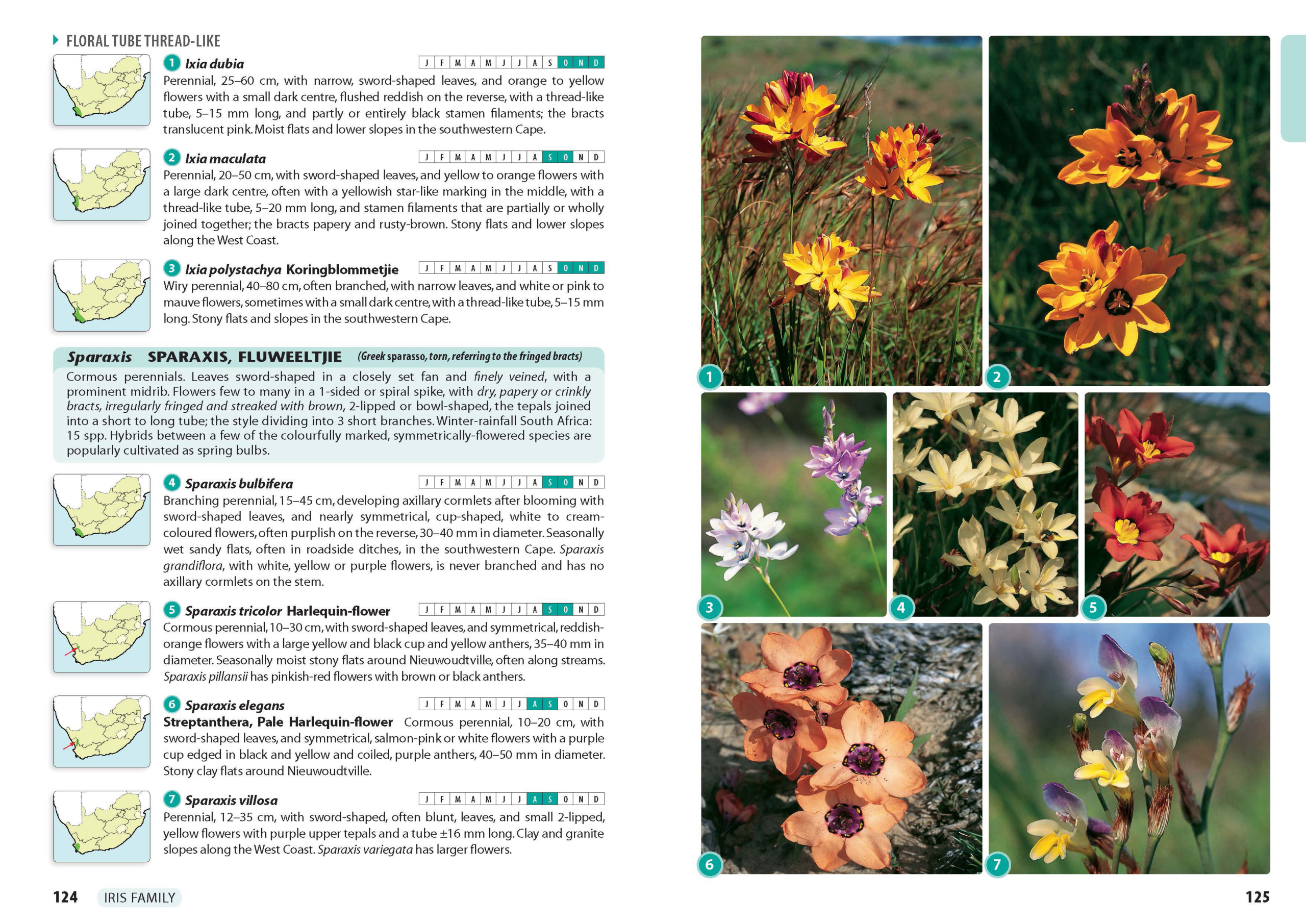
This fully updated edition of Field Guide to Wild Flowers of South Africa covers more than 1,100 species of flora, focusing on the most common, conspicuous and ‘showy’ plants around the region. An informative introduction discusses plant diversity, vegetation types, and includes a key to identifying plant groups. Species descriptions follow and each is accompanied by:
- a vivid photograph
- a distribution map showing range, and
- an indication of the plant’s flowering season.
An invaluable, up-to-date guide provides the tools and information needed to identify flowering plants across South Africa.
In stock
Customer Reviews
There are no reviews yet.
Related products
-

A Complete Guide to the Snakes of Southern Africa
R580.00This long-awaited third edition of A Complete Guide to the Snakes of Southern Africa has been updated, revised and expanded. New information based on scientific research relating to behaviour, identification, reproduction and snake venoms has been included in the species accounts. Features of this book:
– Covers all essential aspects of snake biology and behaviour.
– Species descriptions are accompanied by full-colour photographs and distribution maps.
– Simple icons make essential information available at a glance.
– A separate ‘key features’ box assists in quickly identifying species in the field.
– Chapters on classification and identification, keeping snakes, and the treatment of snakebite supplement the species accounts. -
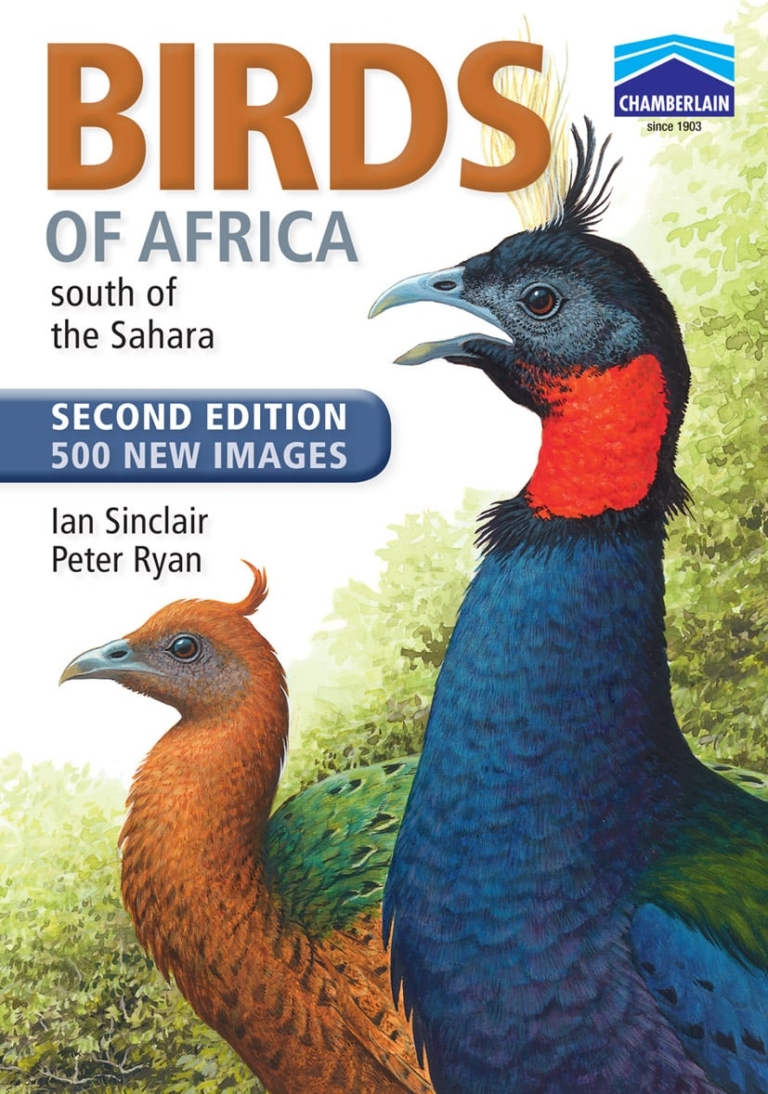
Chamberlain’s Field Guides Birds of Southern Africa
R680.00Fully revised, Birds of Africa south of the Sahara provides unrivalled coverage of African birds in a single volume, and is the first book to describe and illustrate all of the birds found in Africa south of the Sahara Desert (the Afrotropic Region), including Socotra, Pemba and islands in the Gulf of Guinea. Over 2 500 colour photographs show age and sex plumage variations, perched and in-flight birds, and colour morphs where relevant. Text – by Africa’s top birding authors – forcuses on identification, call, habitat and status, breeding details and diet. Colour-coded distribution maps show resident and migratory status and bird density. Annual calendar bars indicate, at a glace, w hen species are present and when they breed. Despite its exceptional coverage, this guide is compact enough to use in the field, and follows the standard field guide format, with texts and range maps appearing opposite the colour plates.
-

Field Guide to the Spiders of Southern Africa
R560.00Thoroughly revised and updated, this long-awaited new edition of Field Guide to the Spiders of South Africa remains the most comprehensive guide to South African spiders published to date. It features over 780 of the more common spider species encountered in the field and in homes and gardens, as well as representative species from some of the rarer spider families.
– ‘Quick Keys’ to the 72 South African spider families provide a useful starting point to identification.
– Succinct genus and species accounts cover identifying characteristics, breeding, behaviour, distribution and conservation status.
– Colour photographs and/or illustrations as well as distribution maps support each entry.
– Introductory chapter discusses spider morphology, spider life cycle, the functions of silk, as well as spider collection techniques.
– Section on venom identifies species that pose a danger to humans, unpacks neurotoxic and cytotoxic venom, and details the symptoms and treatment of spider bites. -

Field Guide to Insects of South Africa (NE)
R610.00This trusted best-seller has been comprehensively updated and expanded to feature accounts of over 1,500 species and insect groups. Included are the most common, most economically and ecologically important, interesting and attractive insects in the region.
It features: vivid photographs, easy-to-read text, detailed accounts covering identification, biology, distribution and related species, a helpful introduction detailing the significance, life history, collection and photography of insects, and quick reference guides on the inside covers to facilitate identification.
Entomologists both amateur and professional, students, gardeners, farmers, tourists and anyone with an interest in the natural world will appreciate this illuminating and invaluable guide.
-

Field Guide to Tracks & Signs – East Africa NE
R590.00Originally published in 1994, A Field Guide to Tracks and Signs of Southern and East African Wildlife quickly became the standard reference to the subject in the region, reprinting many times. This new edition provides the most detailed coverage of tracks, droppings, bird pellets, nests and shelters and feeding signs, not only for mammals, but also for birds, reptiles, insects and other invertebrates. Greatly expanded, this extensive update now features: full colour throughout.
-

Field Guide to Scorpions of South Africa
R480.00An authoritative antidote to the myths surrounding these often maligned and misunderstood creatures.
Among the world’s most fascinating living fossils, scorpions have been around for some 420 million years. South Africa is home to an astonishing variety, with 108 species in three families occurring in most of the region’s biomes, from desert and grassland to fynbos, savanna and forest. Scorpions are even found in urban gardens.
Field Guide to Scorpions of South Africa is the first comprehensive guide to describe and illustrate all known species in the country. The clear, detailed species accounts cover appearance, habitat and behaviour, and discuss the variation within species according to region. Up-to-date distribution maps are included for all species and exceptional photographs, carefully worked to show astounding detail and vivid colours, bring to life the intricate patterning and colours of different species. Both males and females are presented, as well as a variety of colour forms, facilitating accurate identification in the field.
The introduction discusses scorpion classification, anatomy, biology, behaviour and habitat, as well as venomosity and the treatment of stings. Tips on how and where to find scorpions and how to contribute to their conservation as a citizen scientist are also included.
An invaluable tool for students, researchers, academics, hikers and anyone with an interest in South Africa’s rich and fascinating fauna.
-

Stuart’s Field Guide to National Parks and Nature Reserves of South Africa
R450.00A must-have guide to South Africa’s famously diverse and richly populated parks and reserves.Stuarts’ Field Guide to National Parks & Nature Reserves of South Africa is an indispensable guide to the country’s best and most accessible conservation areas. Written by two prominent conservationists, this new edition (with slight name change) has been thoroughly revised and updated.Each of the 43 featured reserves – arranged by province – includes:- Information on the history, location, landscape, geology, vegetation and wildlife
- Text panels covering highlights, climate and facilities
- A detailed map indicating places of interest and top viewing spots
The book includes more than 900 colour photographs and a pictorial ID-guide at the back that features commonly seen birds, mammals, amphibians, reptiles, flowers and trees -

Field Guide to Butterflies of Southern Africa
R580.00Fully revised, the new edition of Field Guide to Butterflies of South Africa features all of South Africa’s 671 butterfly species. This lavishly illustrated popular guide includes newly described species and subspecies, and the most recent taxonomic changes based on DNA studies.
As in the first edition, the photography is exceptional and 70% of the images in the book are new. Images show male and female forms (where they differ) and upper- and undersides (where possible).
The species accounts have been comprehensively updated and expanded, covering identification, habits, flight periods, broods, typical habitat, distribution and larval food sources. A helpful introductory section with over 100 images, including 55 early stages images, discusses butterfly biology, taxonomy, classification, anatomy and behaviour.
Be the first to review “Field Guide to Wild Flowers of South Africa”
You must be logged in to post a review.