


Also available in e-book format:

Amazon Kindle

Google Books

Snapplify Reader
First Field Guide: Frogs of Southern Africa
TAKE A CLOSER LOOK
| Author: |
|---|
R130.00
Sasol First Field Guide to Frogs of Southern Africa is a fascinating guide to the frogs of the region.
Full-colour photographs, distribution maps and easy-to-read text will help the budding naturalist to identify the more common frog species that occur in southern Africa, discoverwhere they live, and learn about their behaviour and unusual features.
In stock
Customer Reviews
There are no reviews yet.
Related products
-

Eerste veldgids: Slange en Reptiele
R130.00Sasol Eerste Veldgids tot Slange & Ander Reptiele van Suider-Afrika bied aan die jong leser ‘n fassinerende blik op die reptiele van die streek. Met behulp van volkleur foto’s en verspreidings kaarte, asook maklik leesbare teks, sal die jong volwassene en ontluikende natuur liefhebber die algemene reptielspesies in Suider-Afrika kan identifiseer.
-

Chameleons of Southern Africa
R320.00Chameleons are fascinating creatures: they almost always evoke in people a strong response, be it delight, wonder or fear. Chameleons of Southern Africa explores this interesting group of lizards and discusses their strange and unusual, sometimes unnerving, characteristics. It presents an overview of all types of chameleons (of which there are up to 160 species in total, worldwide), their history, geographic distribution (restricted mainly to Madagascar and Africa), reproduction, behaviour and their inter-relationships. It also contains a clear identification guide to all southern African species – some 25 have been identified to date – together with distribution maps and colourful photographs of their many features and guises. Chameleons of Southern Africa will appeal to students, gardeners, naturalists and even just those who are curious about to these intriguing lizards.
-

First Field Guide: Birds of Prey of Southern Africa
R130.00Sasol First Field Guide to Birds of Prey of Southern Africa provides fascinating insight into the birdlife of the region. With the help of full-colour photo graphs and distribution maps, and easy-to-read text, the young adult and budding naturalist will be able to identify the more common birds of prey in southern Africa, discover where they live, and learn about their unique feeding and nesting habits.
-
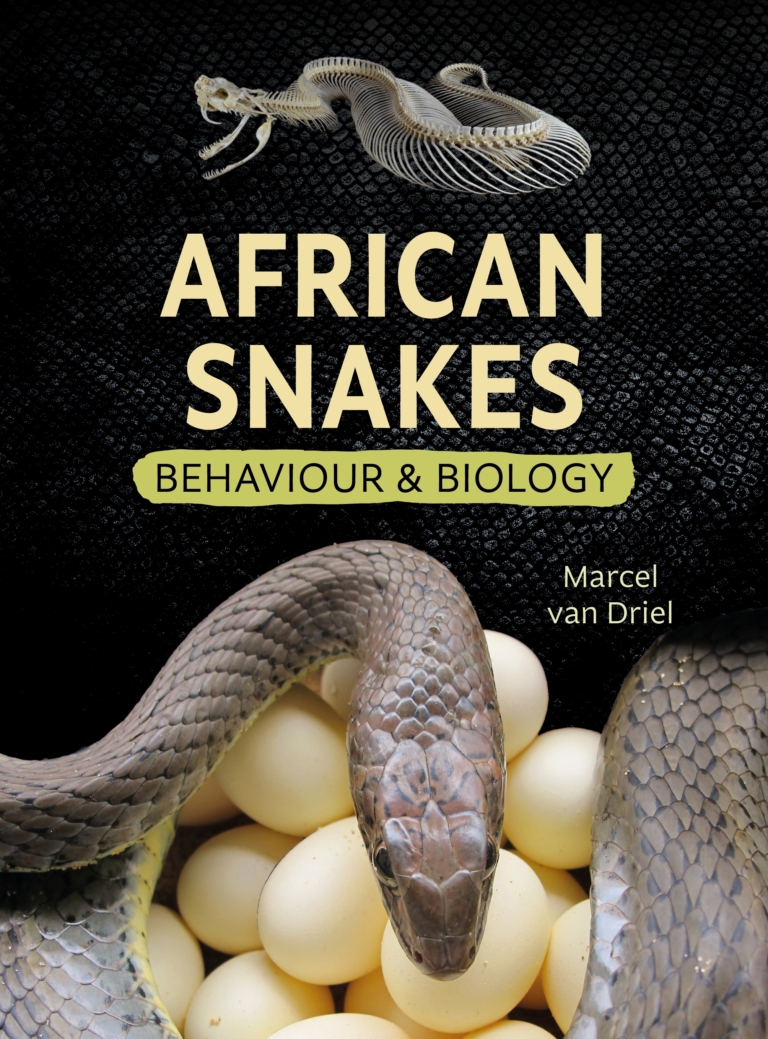
African Snakes: Behaviour and Biology
R490.00From bush vipers to burrowing asps – snakes thrive in every habitat on the African continent. Discover how these oft-misunderstood reptiles perceive their world, defend themselves, feed and breed. This user-friendly book includes:
• The evolutionary history of snakes, with profiles of the eight families found in Africa today
• Detailed notes on inner and outer anatomy, explaining why these limbless creatures flourish in every corner of the continent
• In-depth explanations of snake behaviours, such as diverse hunting techniques and defence mechanisms
• Profiles of particularly interesting species, like the highly specialised Egg-eater and aquatic Yellow-bellied Sea Snake
• Answers to dozens of frequently asked questions: Which species is the most dangerous? How do snakes swallow prey that is larger than their head?
• Breakdown of handy diagnostic characteristics to help identify snakes in the wild -

Wildlife of Southern Africa
R470.00This long-standing, trusted field guide to the wildlife of southern Africa has been comprehensively updated and now includes distribution maps. It describes over 2,000 plants and animals, each accompanied by accurate illustrations in full colour. This book has been a trusted field companion for many years. Comprehensively updated, it now features range maps for most groups. The chapters are colour-coded for easy reference, and diagnostic features appear in bold type within the descriptions. Each chapter is written by a leading expert in the field.
All the main plant and animal groups are covered:
- Lower invertebrates
- Spiders and other arachnids
- Insects
- Freshwater fishes
- Frogs
- Reptiles
- Birds
- Mammals
- Grasses, hedges, ferns and fungi
- Wild flowers
- Trees
-

First Field Guide: Snakes & Reptiles Southern Africa
R130.00Sasol First Field Guide to Snakes & Other Reptiles of Southern Africa provides fascinating insight into the reptiles of the region.
Through full-colour photographs and distribution maps, and easy-to-read text, the beginner and budding naturalist will be able to identify the more common species found in southern Africa, discover where they live, and learn about their unique feeding and nesting habits.
-

Snakes & Snakebite in Southern Africa
R320.00An essential guide to identifying all dangerous snakes in the region, as well as several commonly encountered harmless snakes, Snakes and Snakebite in Southern Africa also describes the symptoms resulting from bites and gives practical advice on first aid measures.
Now fully revised and expanded, this third edition includes nine additional species, over 250 new photographs, and the latest medical information.
Simple icons, distribution maps, succinct text and full-colour photographs make this a clear, practical and easy-to-use guide.
-
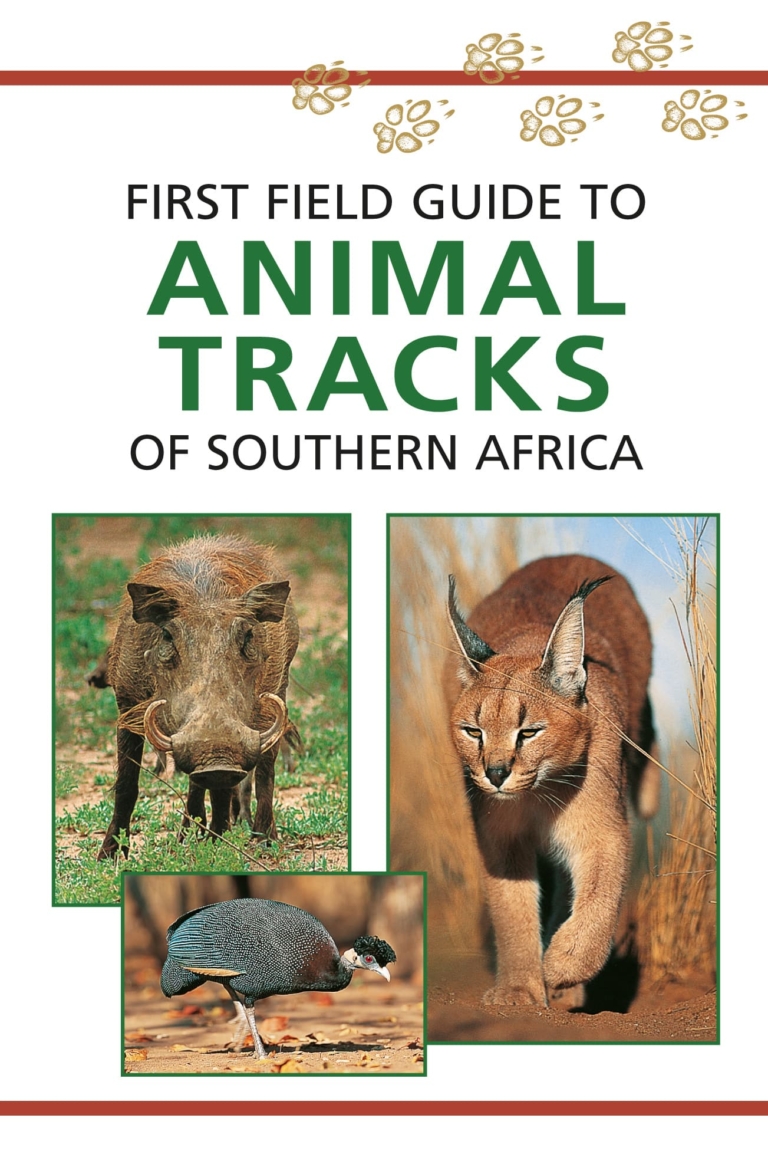
First Field Guide: Animal Tracks
R130.00This First Field Guide to Animal Tracks of Southern Africa will help those with an interest in interpreting animal tracks to identify the animals that have passed through an area.
Full-colour photographs and easy-to-read text will enable the beginner and budding naturalist to decipher the more common tracks encountered in southern Africa, learn about the unique features of each spoor and discover more about the animals that leave the spoor.
Be the first to review “First Field Guide: Frogs of Southern Africa”
You must be logged in to post a review.