


Big Five of Africa
TAKE A CLOSER LOOK
| Author: | Gerald Hinde |
|---|
R420.00
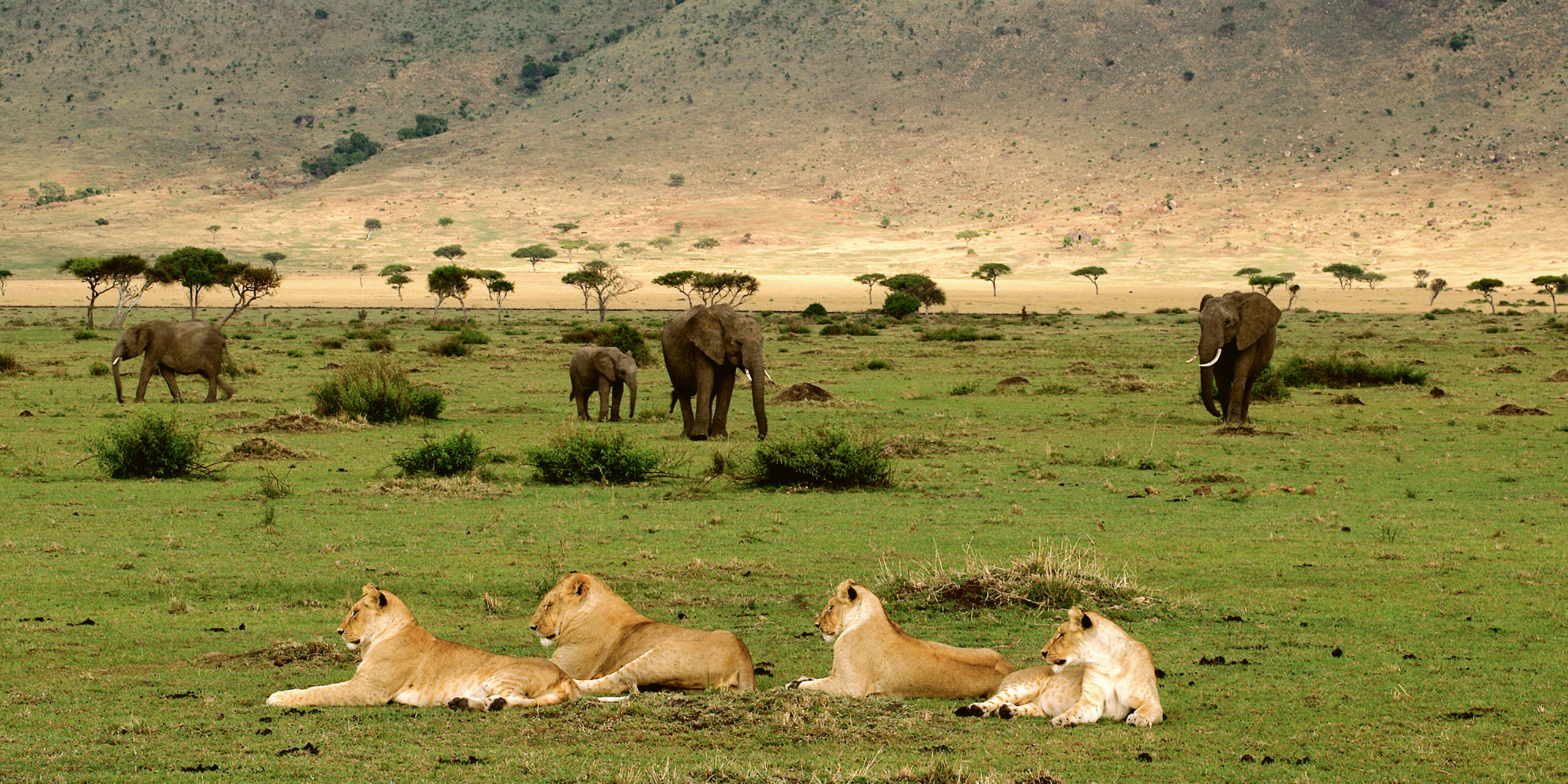
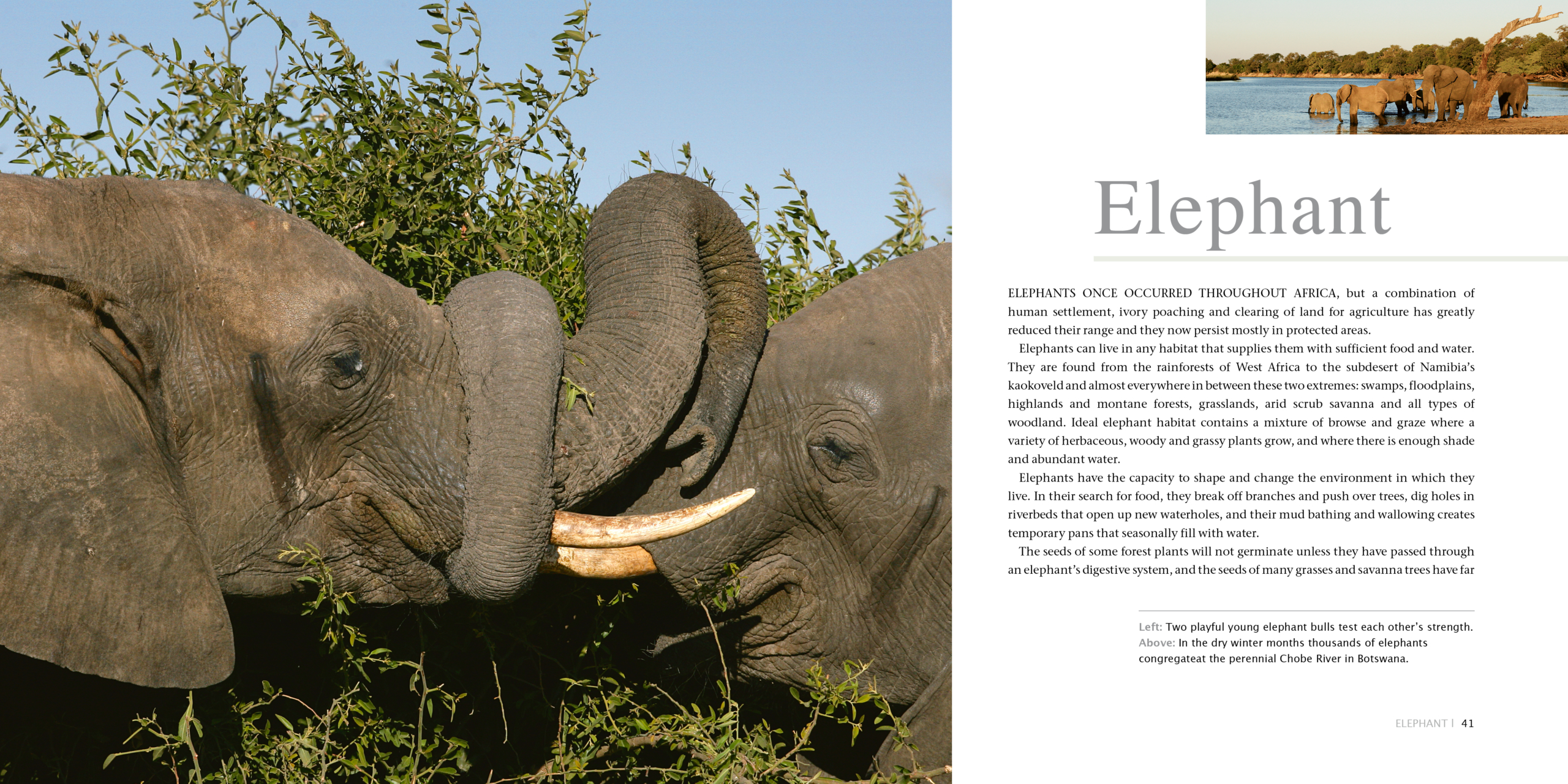
Think of an African safari and the ‘Big Five’ – lion, leopard, rhino, buffalo and elephant – immediately come to mind. Award-winning wildlife photographer Gerald Hinde has long been enthralled by these magnificent animals and has spent countless hours in the field, experiencing them in different moods and behaviours. Big Five of Africa beautifully reproduces some of the more remarkable moments he has captured on film during his visits to the wildlife sanctuaries of southern and East Africa. Brief but informative text introduces each animal in turn, providing interesting insights into the nature of these formidable, yet compelling, creatures.
In stock
Customer Reviews
There are no reviews yet.
Related products
-

Field Guide to the Spiders of Southern Africa
R560.00Thoroughly revised and updated, this long-awaited new edition of Field Guide to the Spiders of South Africa remains the most comprehensive guide to South African spiders published to date. It features over 780 of the more common spider species encountered in the field and in homes and gardens, as well as representative species from some of the rarer spider families.
– ‘Quick Keys’ to the 72 South African spider families provide a useful starting point to identification.
– Succinct genus and species accounts cover identifying characteristics, breeding, behaviour, distribution and conservation status.
– Colour photographs and/or illustrations as well as distribution maps support each entry.
– Introductory chapter discusses spider morphology, spider life cycle, the functions of silk, as well as spider collection techniques.
– Section on venom identifies species that pose a danger to humans, unpacks neurotoxic and cytotoxic venom, and details the symptoms and treatment of spider bites. -

Wildlife of Namibia: A Photographic Guide
R400.00Namibia is a fascinating land of contrasts, where floodplains, swamps and the world’s oldest desert have contributed to a rich biodiversity. Wildlife of Namibia is an easy-to-use guide to the country’s most conspicuous and interesting mammals, birds, reptiles, invertebrates and plants.
The book includes:
- An informative introduction to the country’s geography, climate and vegetation
- Accounts describing each species’ appearance, habits, size and conservation status, as well as information on habitat and best viewing localities
- Full-colour photographs of each species, along with distribution maps to show their range
- This all-in-one compact guide will prove invaluable to visitors to national parks, nature reserves and other wildlife-rich places in Namibia.
-

On Track – Quick ID Guide to Southern and East African Animal Tracks
R100.00Following the success of the earlier Scatalog: Quick ID guide to southern African animal droppings, here’s another quick and quirky identification guide, this time to tracks of the region’s most commonly found mammals, but also includes tracks of reptiles, rodents, birds and insects.
A simple key on the inside front cover directs users to any of 11 categories, such as ‘cloven hooves’, ‘paws’ or ‘tramline-like trails’. Nearly 100 animals or closely related groups of animals are depicted; for each, there is a silhouette of front and back feet and a colour photograph of the track; the average measurements for each track; a short description of the track; and information about the circumstances and likely habitat.
Concise and to-the-point, this pocket-sized reference will prove indispensable in the field, no matter the experience of the user.
-

Pocket Guide Snakes & Other Reptiles of Zambia & Malawi
R280.00Zambia and Malawi are home to 240 reptile species, of which 114 are snakes, 108 lizards, 14 terrapins and tortoises, and 2 crocodiles. Of these, 15 species occur nowhere else on Earth.
The first accessible pocket guide to the reptiles of these two tropical countries describes 186 of the most commonly encountered and colourful species, as well as those that are less conspicuous, rare and endemic to the region. A brief, informative introduction details the region’s reptile diversity and habitat types and outlines different venom types and snakebite treatments.
Handy and compact, this up-to-date guide makes a trusted travelling companion on trips to the wildlife areas, parks and reserves of these two spectacular countries.
– Succinct species descriptions cover key identification features.
– Clear full-colour photographs accompany species descriptions.
– Up-to-date distribution maps show the range of each species.
– Symbols for snake species denote the level of danger each snake’s venom poses for humans, from harmless to life-threatening. -

Scorpions of Southern Africa (NE)
R320.00Scorpions of Southern Africa, the go-to guide for identifying southern Africa’s rich scorpion fauna, has now been freshly designed, updated and expanded. It includes 12 additional species, new images and distribution maps, and a chapter on how to go about identifying scorpions.
An invaluable guide for the amateur naturalist and professional alike, this accessible book describes:
- scorpion anatomy and behaviour,
- the strategies that enable scorpions to survive harsh conditions,
- their use of venom, and
- other aspects of their successful existence over millions of years.
-

Nature Now Mammals of Kruger
R290.00This easy-to-read, fact-filled guide features over 80 mammal species found in the Kruger National Park, one of Africa’s most popular game-viewing destinations.
Packed with stunning photographs and engaging text, it provides brief pointers for accurate identification and highlights the most interesting facts about each species. Did you know that leopards are more dangerous than lions, elephants use their trunks to snorkel, giraffes give birth standing up, and no two zebras have the same stripe pattern?Aimed at nature enthusiasts of all ages, this compact guide:
– Covers the Park’s rich diversity of mammals – from the world-famous Big Five to the miniature mongooses seen dashing across the road
– Unpacks each animal’s most interesting characteristics and behaviours
– Notes the record-breakers: who has the longest horns, strongest jaws or greatest appetite?
– Provides game-watching tips for successful safaris, as well as ‘Best viewing’ notes for each species
– Features striking photographs of Kruger’s wildlife in action -

Avian Architects Quick ID Guide
R100.00Another title in the ‘Quick Guide’ series, this compact little book is a handy identification guide to the surprising variety of nests built by southern African birds. Covering multiple species, it is arranged according to nest type – ground, woven, stick, cup, mud-pellet and domed, as well as nests in tree holes, on water, on cliffs and in scrapes on the ground. It is packed with photographs and illustrations showing the ingenuity of the designs, the birds that built them, and the eggs that are laid in them. In pithy fashion, the text – matched to the photographs – describes:
nesting site and nest structure
building materials used to construct outer and inner layers
nesting habits of the architects
clutch sizeA simple key to nest types on the inside front cover directs readers to the relevant section in the book.
-

Pangolins: Scales of Injustice
R230.00Smuggled into China and sold for meat in the live-animal markets of cities such as Wuhan, the pangolin has dominated world headlines. Is it the vector for Covid-19?
Pangolins have long been sustainably harvested by local communities for their meat and scales, but today the burgeoning trade in these mammals has reached crisis point. Eight pangolin species occur worldwide, four in Asia and four in Africa, and all face extinction if current rates of hunting and trading continue unabated.
Now the spotlight is on the world’s most trafficked mammal. Scientists have identified pangolins as the likely source of the coronavirus infection that has brought the world to its knees. This multi-trillion dollar disaster makes pangolins the most expensive meals ever eaten.
In this timely expose, Richard Peirce unpacks the horrors and dangers of the trade in this enigmatic, little-known mammal. He explains the links between wildlife and Covid-19, and details China’s response to the pandemic.
He also tells the story of a particular pangolin poached in Zimbabwe and brought to South Africa to be traded. Readers accompany an agent of the African Pangolin Working Group, assisted by the local police, on an actual sting operation to rescue the animal and capture the traffickers. And they follow the subsequent progress of the rescued pangolin, from near death to rehabilitation and release into the wild.
Be the first to review “Big Five of Africa”
You must be logged in to post a review.