


Big Five of Africa
TAKE A CLOSER LOOK
| Author: | Gerald Hinde |
|---|
R420.00 R294.00
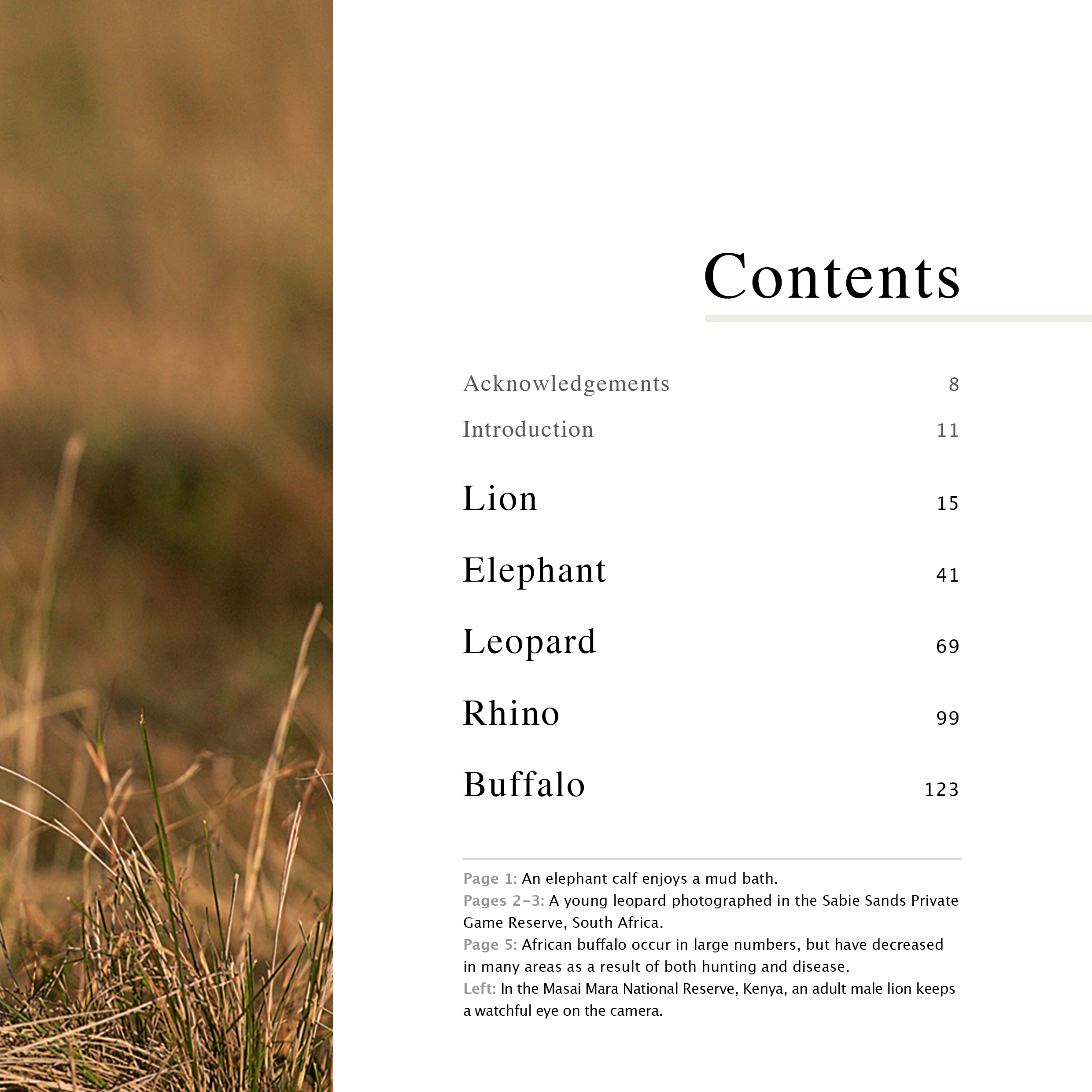
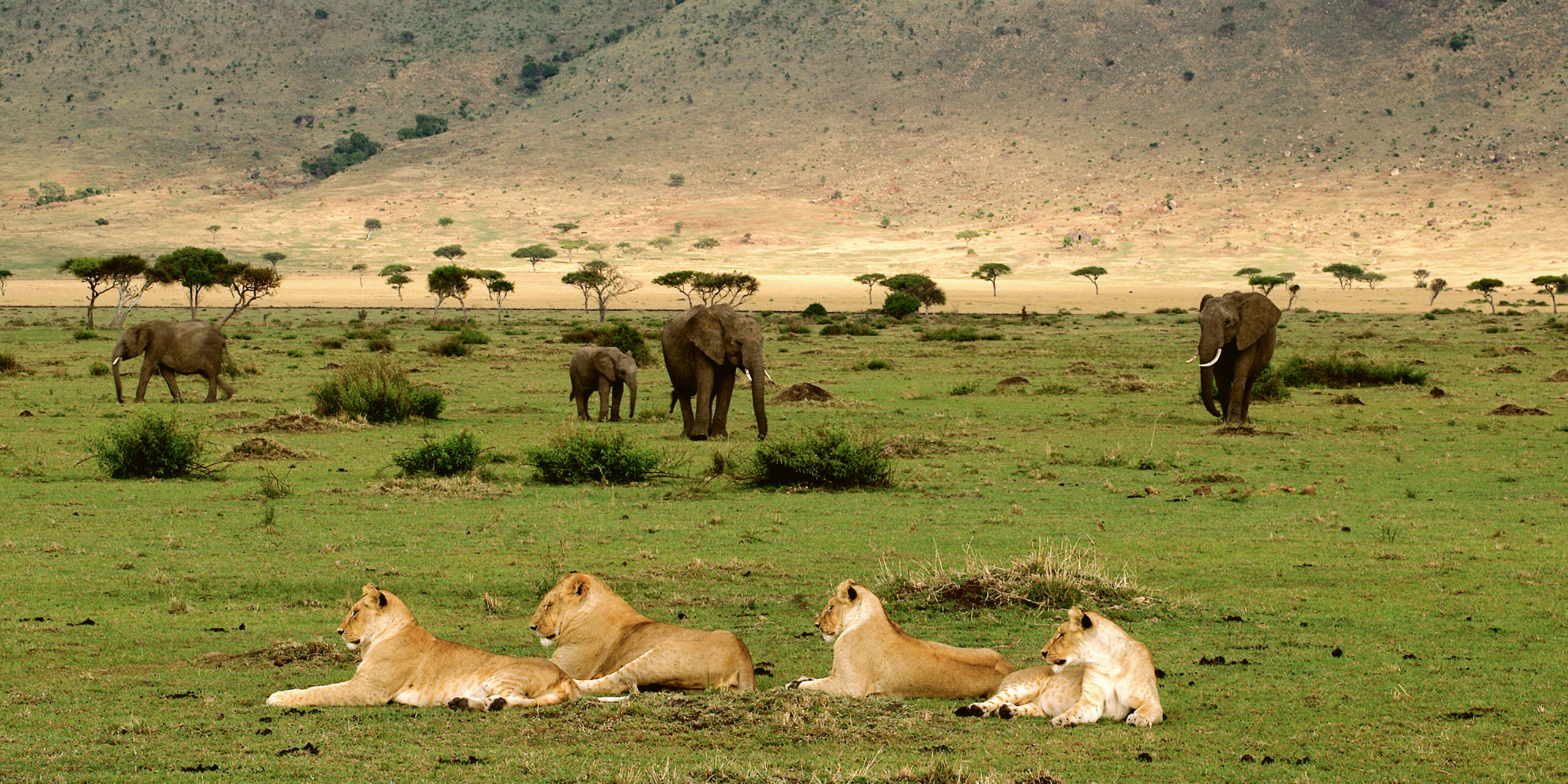
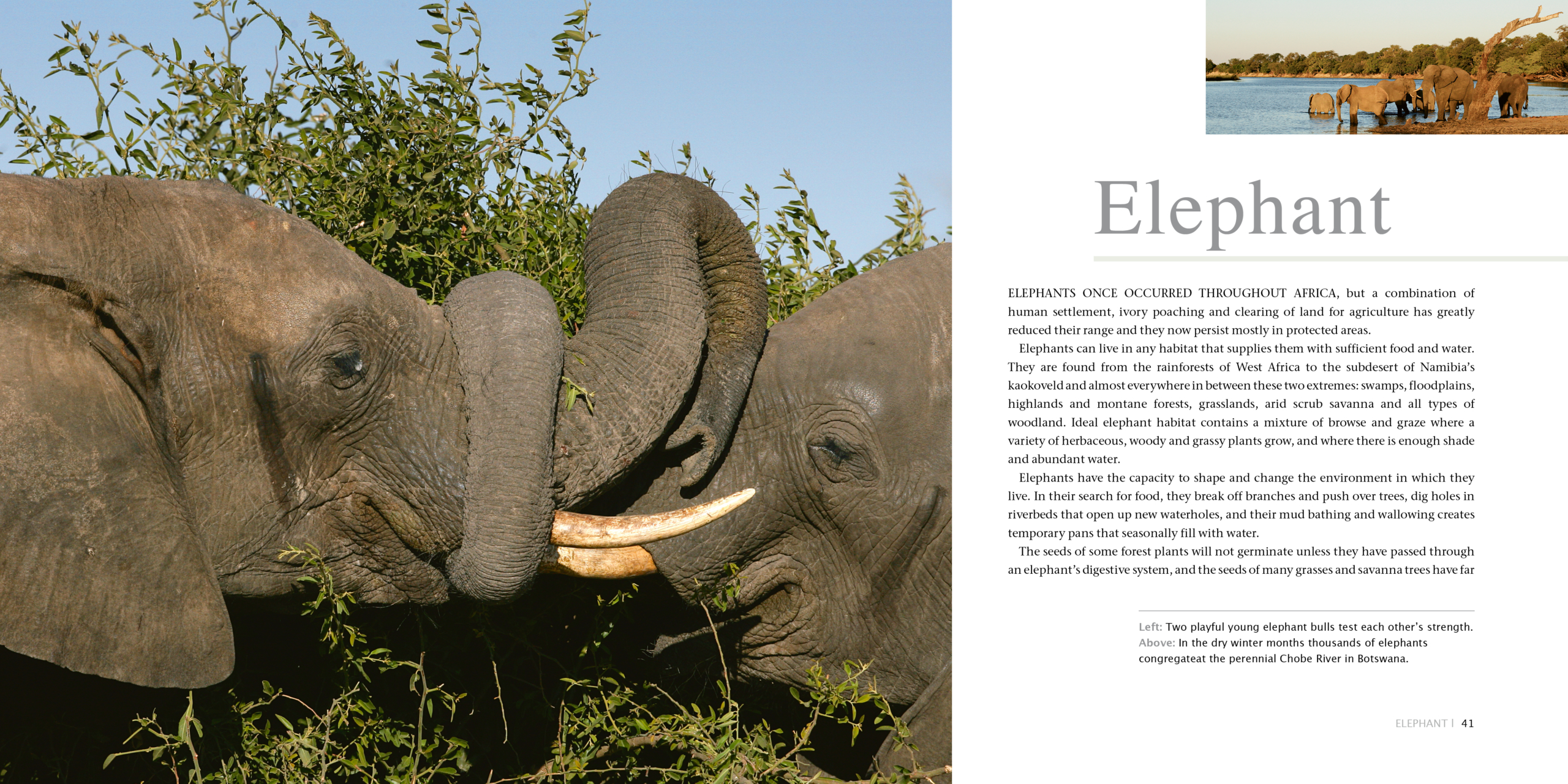
Think of an African safari and the ‘Big Five’ – lion, leopard, rhino, buffalo and elephant – immediately come to mind. Award-winning wildlife photographer Gerald Hinde has long been enthralled by these magnificent animals and has spent countless hours in the field, experiencing them in different moods and behaviours. Big Five of Africa beautifully reproduces some of the more remarkable moments he has captured on film during his visits to the wildlife sanctuaries of southern and East Africa. Brief but informative text introduces each animal in turn, providing interesting insights into the nature of these formidable, yet compelling, creatures.
In stock
Customer Reviews
There are no reviews yet.
Related products
-

Field Guide to Tracks & Signs – East Africa NE
Originally published in 1994, A Field Guide to Tracks and Signs of Southern and East African Wildlife quickly became the standard reference to the subject in the region, reprinting many times. This new edition provides the most detailed coverage of tracks, droppings, bird pellets, nests and shelters and feeding signs, not only for mammals, but also for birds, reptiles, insects and other invertebrates. Greatly expanded, this extensive update now features: full colour throughout.
R590.00R413.00 -

Shaping Kruger
R440.00The Kruger National Park is one of the world’s leading stewards of biological diversity. Its management requires ongoing monitoring and re-evaulation to ensure that species survive.
Shaping Kruger provides fascinating insight into the lives, habits and behaviour of the larger animals that significantly affect the workings of the park. It expertly synthesizes decades of ground-breaking research into the animals and their environment, examining along the way individual species; predator-prey relationships; mammal distribution, and browsing and grazing interactions.
This detailed look at how Park management has had to interpret, monitor and adapt the processes that allow species to survive – even thrive – in an ever-changing environment makes for an intriguing and enlightening read.
-

On Track – Quick ID Guide to Southern and East African Animal Tracks
Following the success of the earlier Scatalog: Quick ID guide to southern African animal droppings, here’s another quick and quirky identification guide, this time to tracks of the region’s most commonly found mammals, but also includes tracks of reptiles, rodents, birds and insects.
A simple key on the inside front cover directs users to any of 11 categories, such as ‘cloven hooves’, ‘paws’ or ‘tramline-like trails’. Nearly 100 animals or closely related groups of animals are depicted; for each, there is a silhouette of front and back feet and a colour photograph of the track; the average measurements for each track; a short description of the track; and information about the circumstances and likely habitat.
Concise and to-the-point, this pocket-sized reference will prove indispensable in the field, no matter the experience of the user.
R100.00R70.00 -

Wildlife of Namibia: A Photographic Guide
Namibia is a fascinating land of contrasts, where floodplains, swamps and the world’s oldest desert have contributed to a rich biodiversity. Wildlife of Namibia is an easy-to-use guide to the country’s most conspicuous and interesting mammals, birds, reptiles, invertebrates and plants.
The book includes:
- An informative introduction to the country’s geography, climate and vegetation
- Accounts describing each species’ appearance, habits, size and conservation status, as well as information on habitat and best viewing localities
- Full-colour photographs of each species, along with distribution maps to show their range
- This all-in-one compact guide will prove invaluable to visitors to national parks, nature reserves and other wildlife-rich places in Namibia.
R400.00R280.00 -

Field Guide to the Spiders of Southern Africa
Thoroughly revised and updated, this long-awaited new edition of Field Guide to the Spiders of South Africa remains the most comprehensive guide to South African spiders published to date. It features over 780 of the more common spider species encountered in the field and in homes and gardens, as well as representative species from some of the rarer spider families.
– ‘Quick Keys’ to the 72 South African spider families provide a useful starting point to identification.
– Succinct genus and species accounts cover identifying characteristics, breeding, behaviour, distribution and conservation status.
– Colour photographs and/or illustrations as well as distribution maps support each entry.
– Introductory chapter discusses spider morphology, spider life cycle, the functions of silk, as well as spider collection techniques.
– Section on venom identifies species that pose a danger to humans, unpacks neurotoxic and cytotoxic venom, and details the symptoms and treatment of spider bites.R560.00R392.00 -

The Reef Guide: East & South Coasts of Southern Africa
R500.00The Reef Guide: East & South Coasts of Southern Africa documents some 800 reef fishes and invertebrates found along the east and south coasts of southern Africa. Following on the success of Dennis King’s earlier two titles, this impressive new guide features 578 species of fish and includes sections on anemones, starfish, snails, crabs and shrimps. Full colour photographs and descriptive text for each species, along with useful and interesting information, make for easy identification. While focusing on southern Africa, the book is also applicable to the entire east coast of Africa, as well as the islands of the western Indian Ocean – Seychelles, Mauritius, Reunion, Madagascar, the Comoros and the Maldives.
Indispensable for divers, snorkelers and rock-pool enthusiasts, as well as fishermen and marine aquarists.
-

Shaping Addo: The Story of a Southern African National Park
More than a century ago elephants in the eastern Cape were systematically hunted – until only 16 were left . Today there are 650 elephants in the Addo Elephant National Park, the densest concentration of wild elephants anywhere on the planet. While elephants are undoubtedly still the park’s top drawcard, the past four decades have seen the emphasis shift from protecting a single species to conserving five biomes and the wild animals that occupy them. Today, Addo can boast the Big Seven: elephant, lion, leopard, buffalo, rhino, as well as great white shark and southern right whale.
Like Shaping Kruger, its successful predecessor, Shaping Addo expertly delves into the history of the park, detailing the positive impact that changing conservation practices have had on its development. Drawing on decades of groundbreaking research, the author provides fascinating insight into the lives and habits of the animals (both terrestrial and marine), examining individual species, the relationship between them, and the carefully crafted management strategies required to ensure the survival of all species.
Shaping Addo is an engrossing account of how a seemingly insigni cant sanctuary was transformed into an astonishingly successful mega-park, and the most ecologically diverse protected space in South Africa.
R440.00R308.00 -

The Living Deserts of Southern Africa
R600.00For generations, the deserts of southern Africa have intrigued scientists and travellers alike. Seemingly barren wastes, they in fact teem with life – from ants to elephants, stone plants to the curious welwitschia, dainty dik-diks to towering gemsbok, and cart-wheeling spiders to fog-basking beetles. How do they cope with scarce resources, unpredictable rainfall and extreme temperatures? How do they protect themselves against predators? And what is the impact of climate change on these life forms and their habitats?
Drawing on an earlier edition, published in 1993, biologist Barry Lovegrove answers these questions and unravels many of the mysteries associated with life in the desert. He describes the four arid biomes of South Africa, Namibia and Botswana –
Desert, Arid Savanna, Succulent Karoo and Nama-Karoo – and explains how and why such a great diversity of plants, insects, mammals, reptiles and birds successfully exist in these regions. The text is supported by the most recent research, spectacular photographs, and explanatory diagrams and maps.The Living Deserts of Southern Africa is a compelling, in-depth read that is accessible to both the serious student and academic as well as the interested nature lover.
Be the first to review “Big Five of Africa”
You must be logged in to post a review.