
-
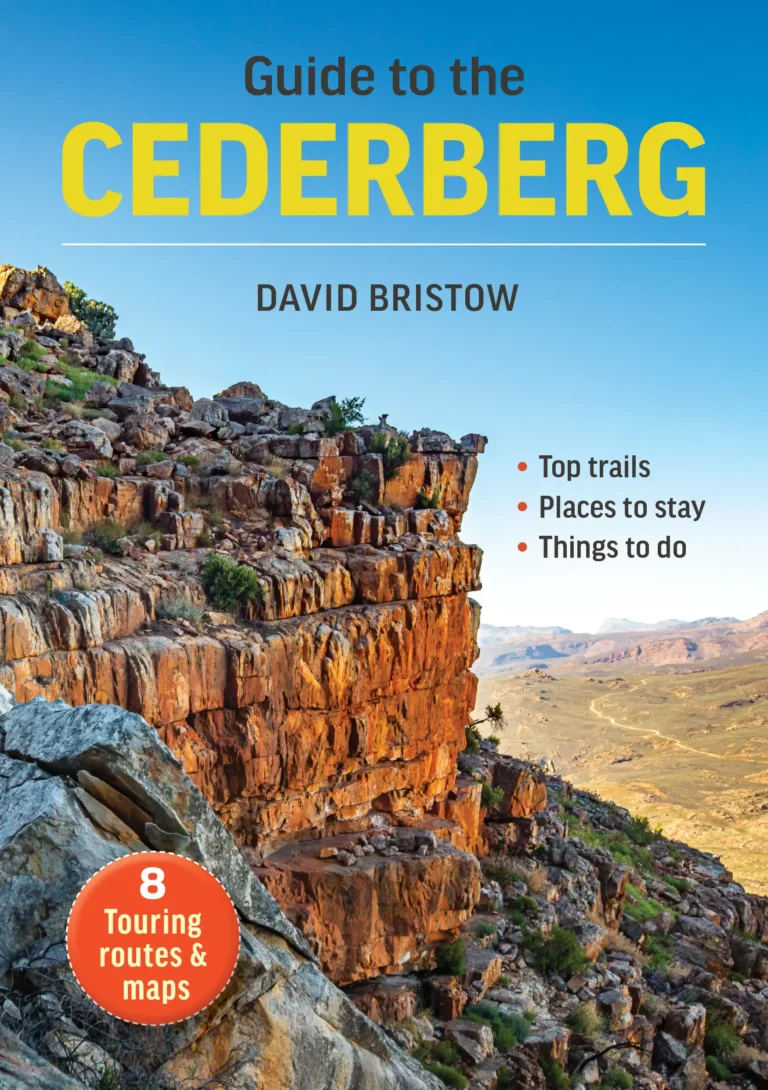
Guide to the Cederberg
R320.00Dramatic rocky landscapes and diverse attractions make the Cederberg one of the Western Cape’s most popular getaway destinations. Located just 300 km from Cape Town, this easily accessed mountain sanctuary offers a variety of activities for nature lovers and adventure seekers, and also affords a refuge from city life and everyday pressures. Guide to the Cederberg is a collection of the top places to visit and things to do and see in this much-loved playground.
The book is structured in two parts:
PART 1: Background on the region’s history, geology, fauna and flora, conservation challenges, and an overview of the many attractions, with handy tips for travel planning.
PART 2: Arranged in a route-by-route format including eight discrete driving routes, each showcasing a distinctive corner of the Cederberg, accommodation options, scenic highlights and recommended activities.
The book includes something for everyone:
- San rock art
- Hiking
- Bouldering
- Climbing
- Walking
- Mountain biking
4×4 routes - Camping
- Birding
- Botanising
- Stargazing
- Food and wine tasting
Whether you’re a first-time visitor or seasoned adventurer, this book does the thinking for you, helping you to make the most of your time in one of South Africa’s most magical and distinctive natural landscapes.
A complete guide to the natural beauty and adventure activities of this unique wilderness
-
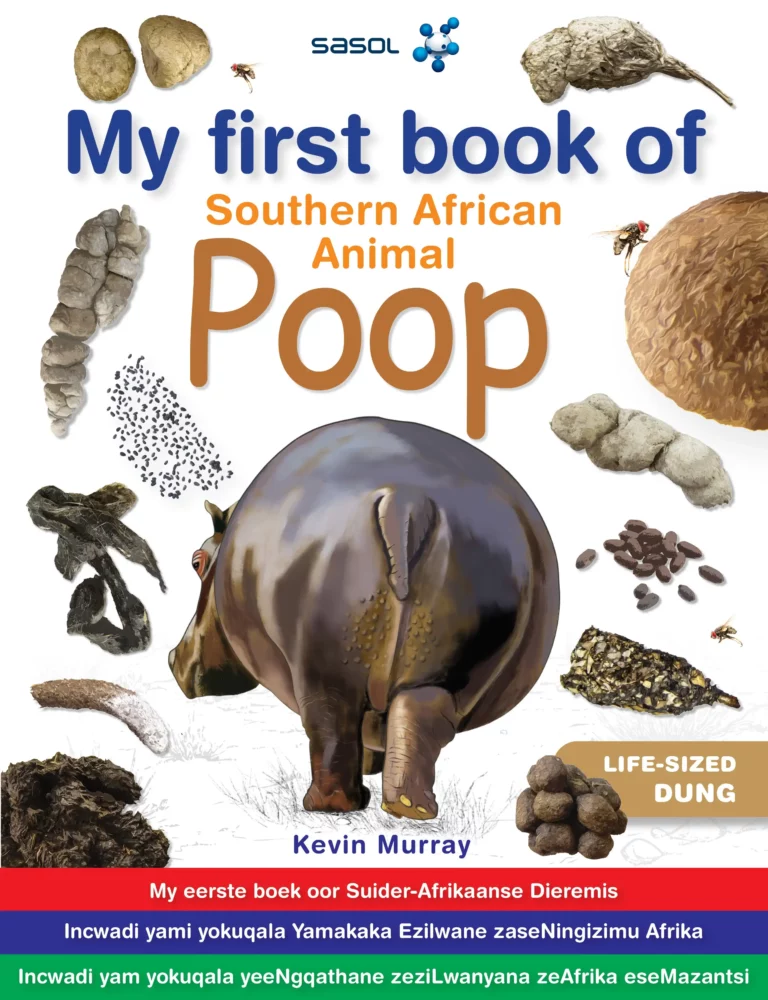
My First Book of Southern African Animal Poop
R180.00My first book of Southern African Animal Poop is the newest title in this highly successful children’s series. This new title adds a quirky spin to the series and will help young readers recognise the droppings of 84 different animals, from garden visitors to larger wildlife. With life-sized illustrations and easy-to-read descriptions, the book encourages a closer look at nature – turning outdoor discoveries into a fun learning opportunity.
Perfect for curious young minds, the book will appeal to both pre-readers and those beginning to read. The parallel text makes this book suitable for mother-tongue learners in four languages, as well as those children wanting to improve their knowledge of a second or third language.
-
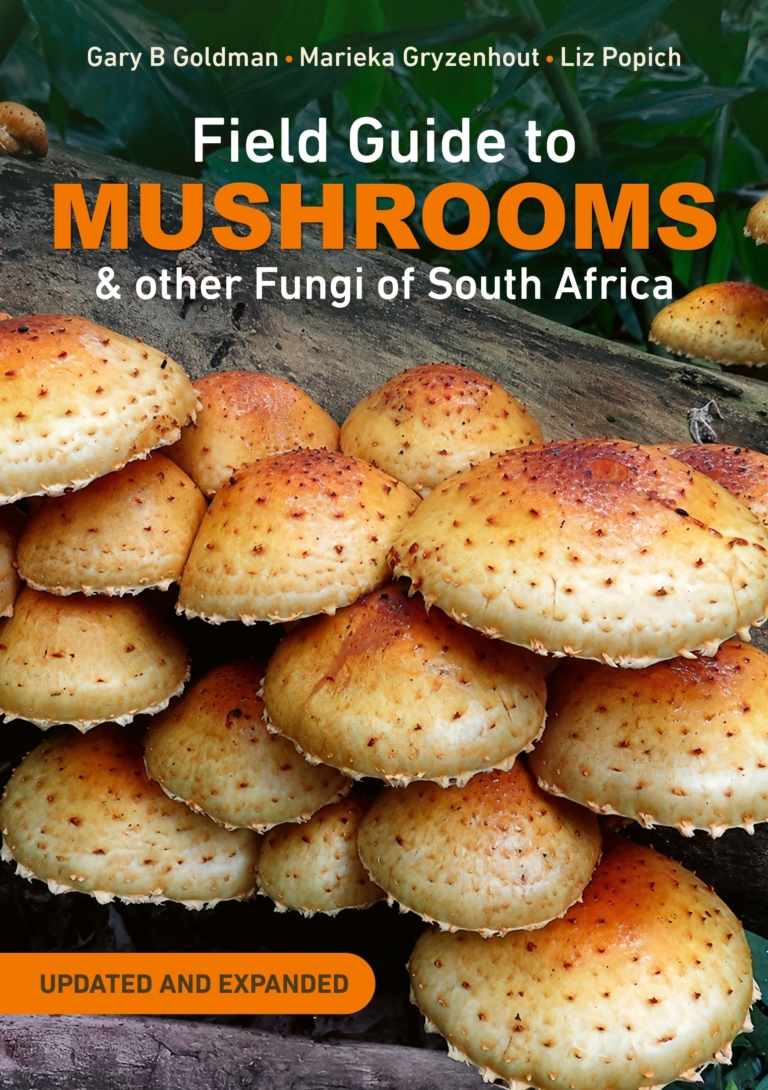
Field Guide Mushrooms and other Fungi of South Africa (New Ed)
R620.00Building on the success of the original book, this new edition of the Field Guide to Mushrooms & other Fungi of South Africa now covers 420 species – more than any mushroom book in the region. The revised edition has been fully updated and expanded, with 220 new entries added and more than 1,000 new photographs.
Neither plant nor animal, mushrooms constitute a unique group of organisms. They appear in a staggering variety of shapes, sizes and colours, and identifying them can be difficult. Featuring the most distinctive and commonly found species in South Africa, this guide is the perfect tool for quick and accurate identification in the field. The text for each species covers diagnostic features, distribution (both regionally and worldwide), typical habitat, edibility and toxicity. Magnificent photographs accompany each description, making this both a practical guide and a beautiful book.
A brief introduction outlines the basic anatomy and biology of mushrooms, their use for humans, and the vital role they play in sustaining all life. Guidelines for foraging and photographing mushrooms are also included. Packed with information, this guide will be welcomed by all mushroom enthusiasts, and by nature lovers in general.
-
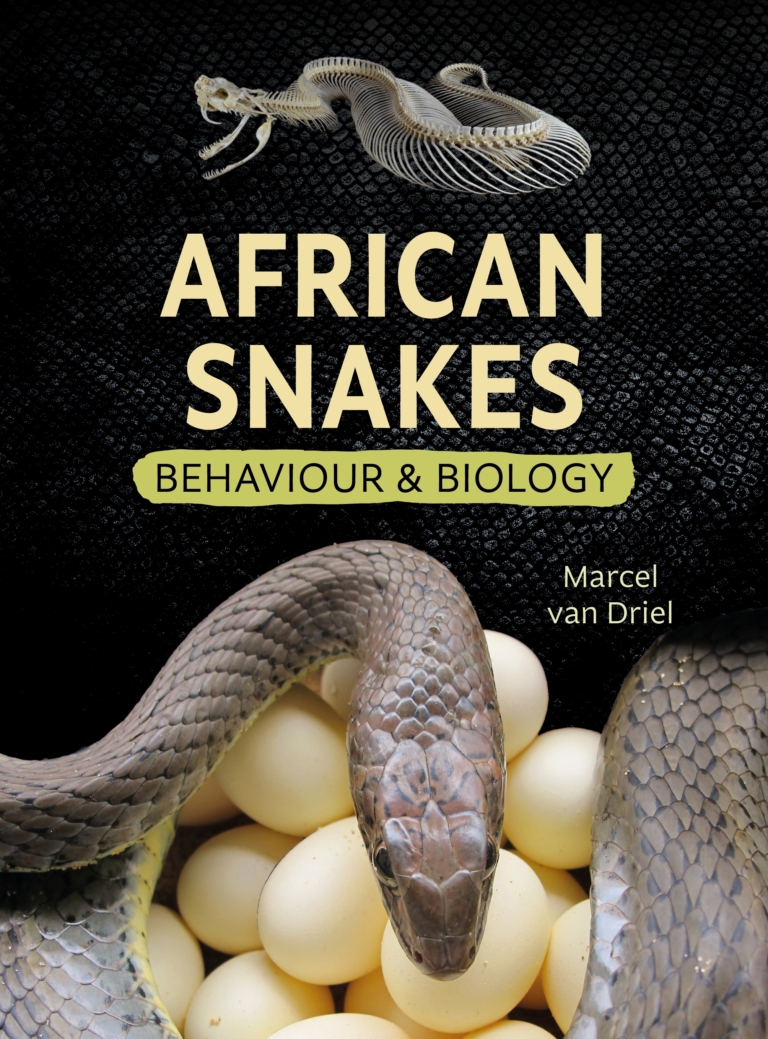
African Snakes: Behaviour and Biology
R490.00From bush vipers to burrowing asps – snakes thrive in every habitat on the African continent. Discover how these oft-misunderstood reptiles perceive their world, defend themselves, feed and breed. This user-friendly book includes:
• The evolutionary history of snakes, with profiles of the eight families found in Africa today
• Detailed notes on inner and outer anatomy, explaining why these limbless creatures flourish in every corner of the continent
• In-depth explanations of snake behaviours, such as diverse hunting techniques and defence mechanisms
• Profiles of particularly interesting species, like the highly specialised Egg-eater and aquatic Yellow-bellied Sea Snake
• Answers to dozens of frequently asked questions: Which species is the most dangerous? How do snakes swallow prey that is larger than their head?
• Breakdown of handy diagnostic characteristics to help identify snakes in the wild


